How to Create a Cinematic Analog Film Portrait Using a Single AI Prompt
How to Create a Cinematic Analog Film Portrait Using a Single AI Prompt
Creating a cinematic portrait that feels intimate, nostalgic, and emotionally charged is no longer reserved for professional photographers with expensive gear. With the right AI prompt and a clear artistic vision, you can generate a film-like portrait that looks spontaneous, human, and deeply expressive—even if it was created digitally.
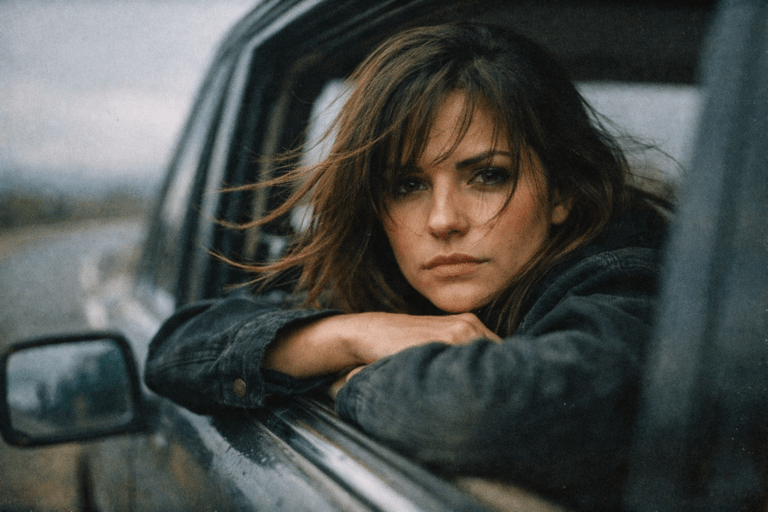
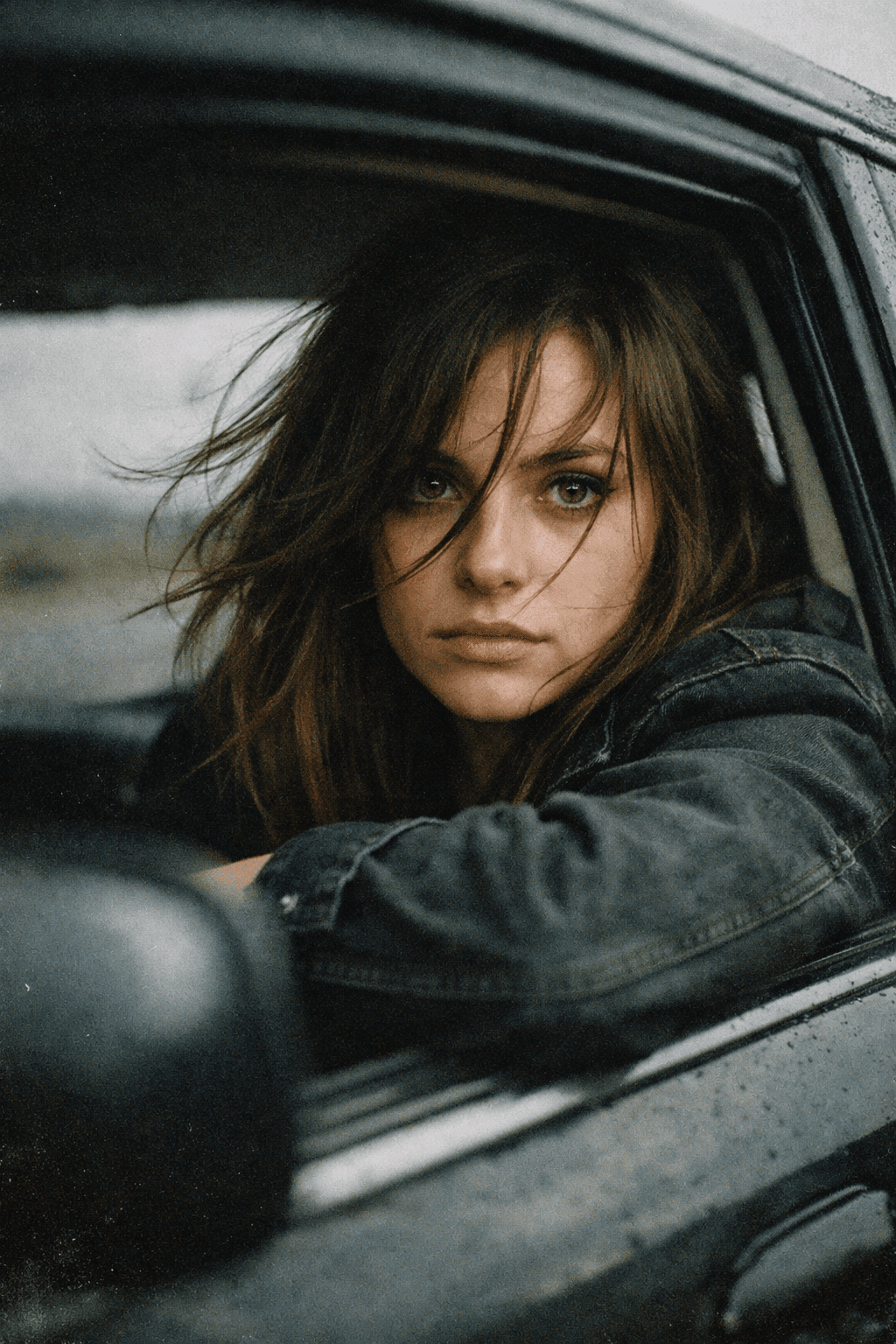
In this guide, you’ll learn how to use a carefully structured cinematic prompt to produce a powerful analog-style portrait inside a car, complete with soft lighting, emotional depth, film grain, and a timeless mood. More importantly, you’ll understand why each part of the prompt matters and how to adapt it for consistent, high-quality results.
Why Cinematic Car Portraits Feel So Powerful
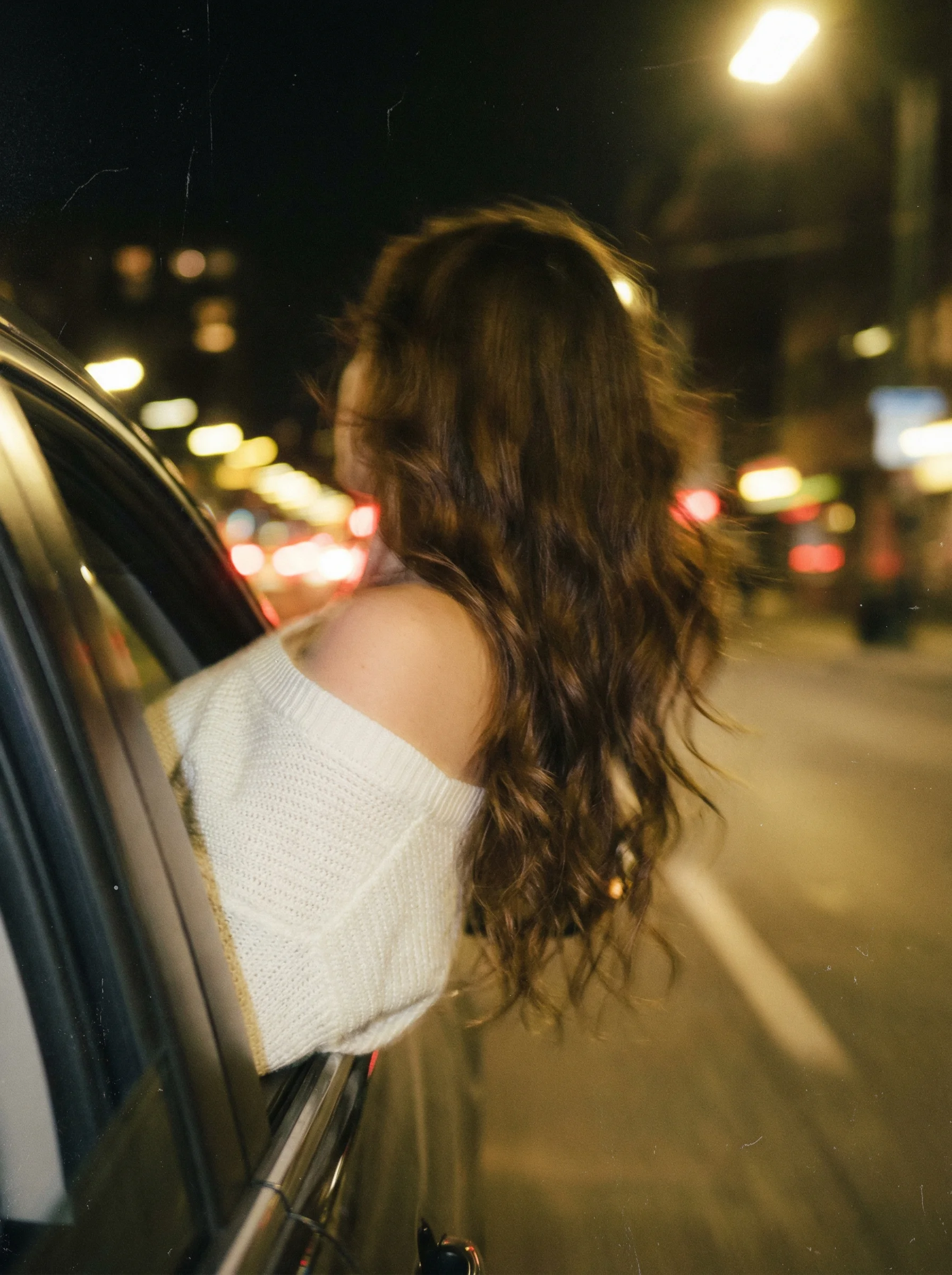
There’s something universally relatable about a person sitting in a car, staring out of a window. It suggests movement, transition, solitude, and reflection—all at once. When you combine this setting with an analog film aesthetic, you create an image that feels less staged and more lived in.
This type of portrait works because it:
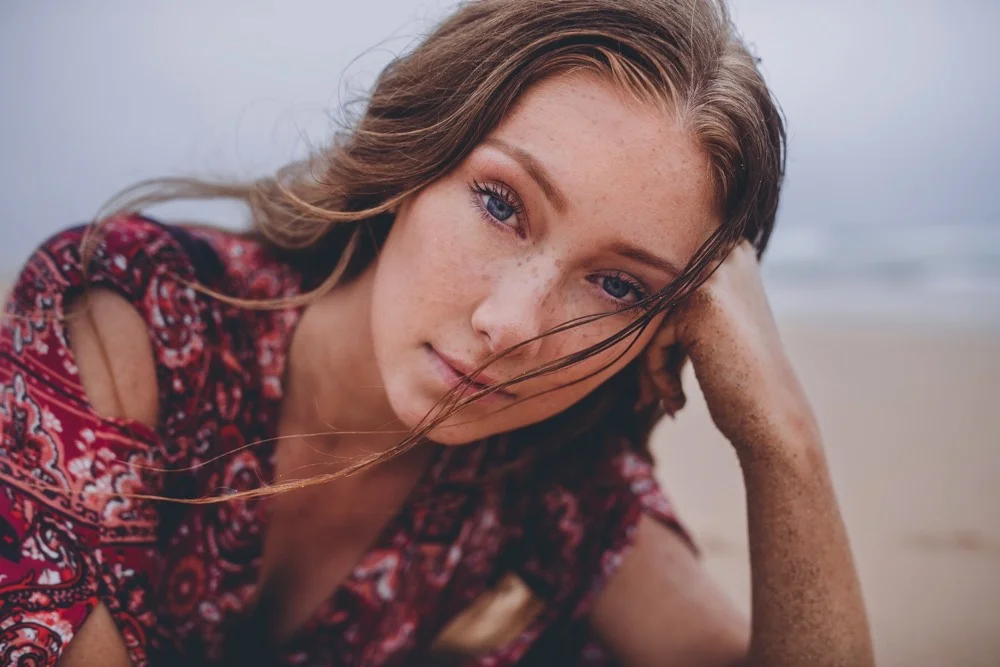
- Feels candid rather than posed
- Creates emotional tension through framing
- Uses shallow depth of field to guide attention
- Mimics imperfections associated with real film
If your goal is to create AI-generated portraits that don’t scream “AI,” this cinematic approach is one of the safest and most effective directions you can take.
Understanding the Core Concept of the Prompt
At its heart, this prompt is designed to blend identity and atmosphere. You’re not just asking the AI to generate a face—you’re guiding it to create a moment.
The structure of the prompt focuses on four pillars:
- Emotional storytelling
- Physical composition
- Lighting and color science
- Camera realism
When these elements work together, the final image feels intentional and authentic.
The Role of Composition and Framing
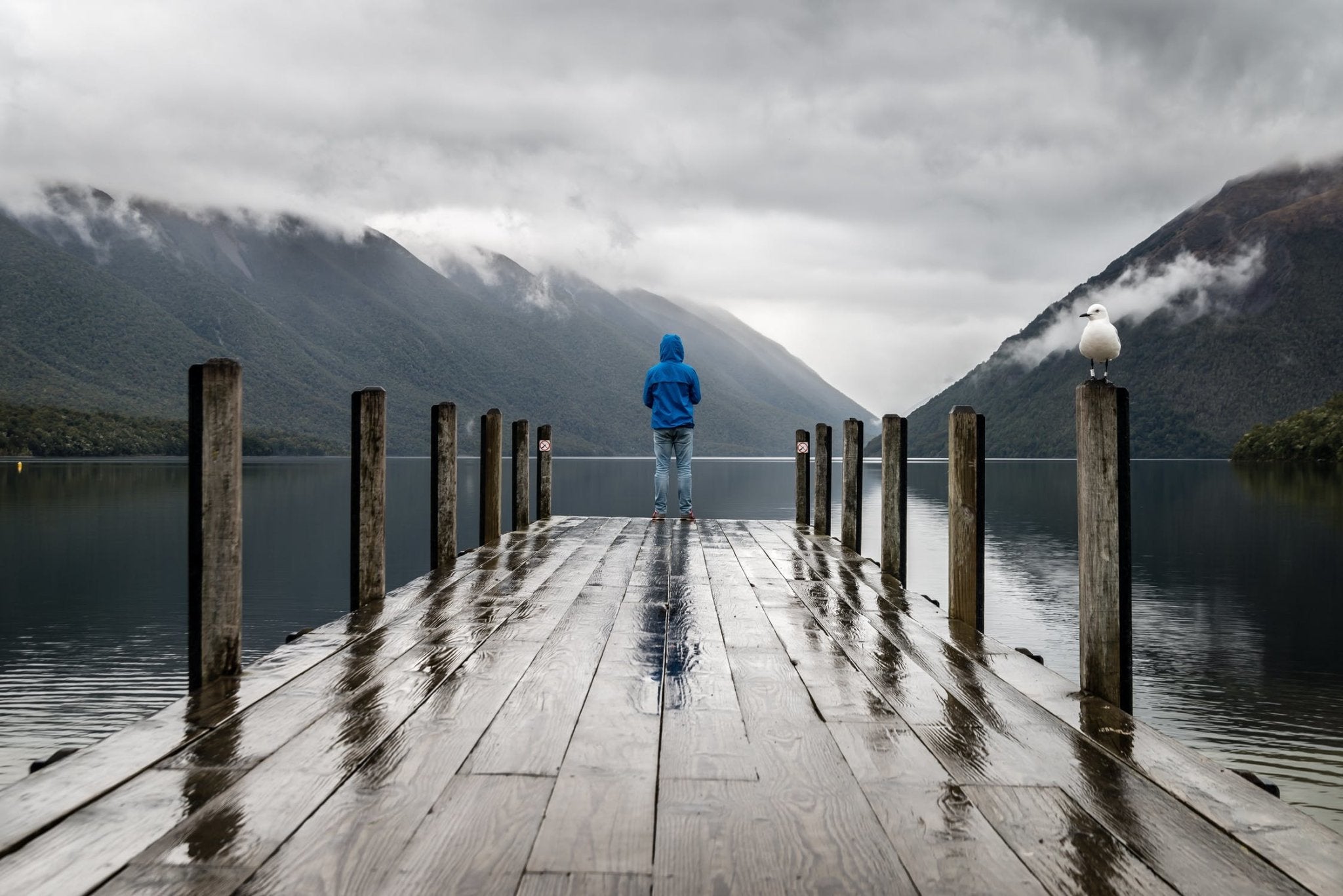
One of the strongest elements of this prompt is the framing of the subject inside the car window. This choice does several things at once:
- The car frame naturally creates depth
- The open window allows interaction with light and wind
- The arm resting on the door adds relaxed realism
- Partial framing of the face increases intimacy
When you specify that the subject’s gaze is direct, intense, and melancholic, you guide the AI toward emotional clarity instead of a generic expression.
Pro tip: Always describe how the subject interacts with the environment. Static poses produce static results.
Why Hair Movement Adds Authenticity
Tousled, wind-blown hair is not just a stylistic detail—it’s a realism anchor. Perfect hair often looks artificial, especially in AI portraits. By instructing the model to allow strands to fall across the face, you introduce controlled imperfection.
This detail:
- Suggests motion
- Breaks facial symmetry
- Softens the image emotionally
- Enhances the “captured moment” feeling
Small imperfections are often what make an image believable.
Clothing Choices and Visual Neutrality
The decision to dress the subject in a dark, casual jacket or sweatshirt is strategic. Neutral clothing prevents distraction and keeps the focus on the face and expression.
You should avoid:
- Bright logos
- Complex textures
- High-contrast patterns
Simple clothing supports the cinematic tone and blends naturally with desaturated color grading.
Background, Color Palette, and Mood
A blurred, desolate landscape plays a crucial psychological role. It suggests distance, isolation, and travel—without pulling focus away from the subject.
The desaturated, cool, earthy tones do the following:
- Reinforce the nostalgic atmosphere
- Emulate analog film stocks
- Reduce the “digital sharpness” look
- Support emotional storytelling
When combined with visible film grain, the image feels less polished and more human.
Lighting: Why Overcast Beats Dramatic Light
Soft, diffuse lighting is one of the most important ingredients in this prompt. Overcast or dusk lighting:
- Eliminates harsh shadows
- Shapes the face gently
- Enhances skin texture realism
- Supports introspective moods
By avoiding dramatic lighting, you allow emotion—not contrast—to lead the image.
Camera Settings That Sell the Illusion
Mentioning specific camera settings is not cosmetic—it’s functional. When you describe a 50mm or 85mm prime lens, shallow aperture, and moderate ISO, you give the AI a reference framework grounded in real photography.
These details help:
- Maintain natural facial proportions
- Create believable depth of field
- Justify visible grain
- Avoid ultra-sharp, synthetic output
This is one of the most effective ways to push AI images closer to professional photography.
Using a Reference Image the Right Way
The “nano banana” instruction is critical if you want the final result to look like a real person rather than a generic model.
By clearly instructing the system to:
- Preserve facial structure
- Match skin tone and eye color
- Maintain hairstyle and identity
- Fuse the user with the cinematic setting
You significantly reduce identity drift and improve likeness accuracy.
Consistency comes from clarity.
Common Mistakes to Avoid
Even with a strong prompt, small mistakes can ruin the result. Avoid these pitfalls:
- Overloading the prompt with styles
- Mixing cinematic and hyper-realistic terms
- Ignoring emotional direction
- Using contradictory lighting instructions
A focused prompt always outperforms a complex one.
Who This Prompt Is Perfect For
This cinematic portrait prompt is ideal if you are:
- Creating personal AI portraits
- Building a photography-style portfolio
- Designing emotional visual storytelling
- Experimenting with analog aesthetics
- Seeking realistic, non-plastic AI imagery
It works especially well for artists, designers, and creators who value mood over perfection.
Final Thoughts: Turn Prompts Into Visual Stories
The real power of this prompt is not in its technical precision—it’s in its emotional intention. When you guide AI with storytelling, atmosphere, and realism, you stop generating images and start creating moments.
Now it’s your turn.
Take this structure, adapt it to your own style, experiment with subtle variations, and build a visual identity that feels unmistakably human.
If you want more cinematic AI prompts, analog aesthetics, and professional-grade inspiration, explore more guides and resources—and start turning your ideas into unforgettable images today. 🚀