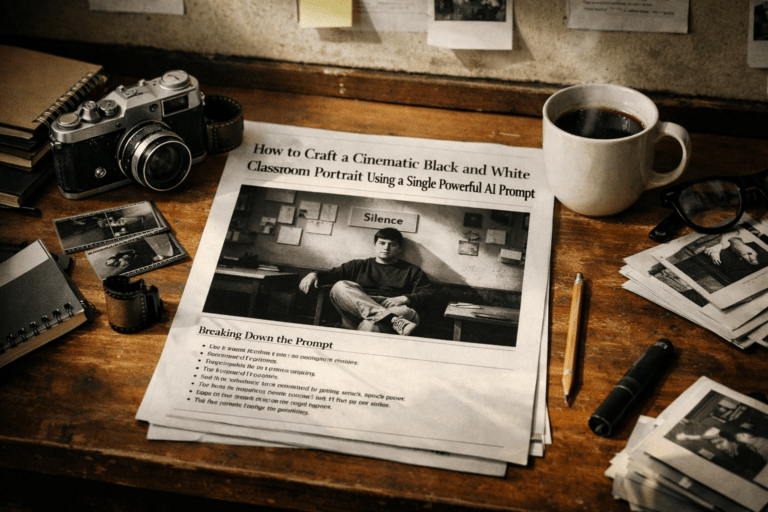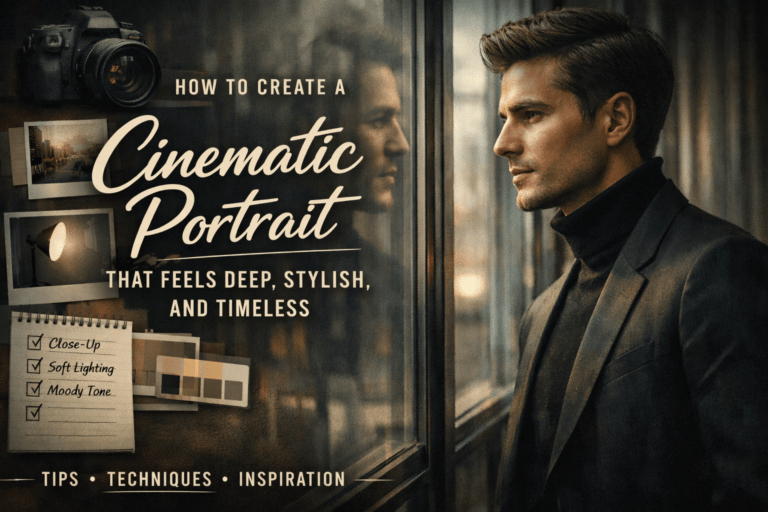

How a Single AI Prompt Can Shape Powerful Visual Storytelling
Below are powerful AI prompt examples inspired by “The Red Pill vs The Blue Pill”, each one shaping a different visual narrative, plus image inspiration to match each idea.
When you look at a truly striking AI-generated image, you immediately feel something. You don’t just see a character—you sense tension, purpose, and meaning. That’s exactly what this prompt achieves. It doesn’t describe a man sitting in a chair. It places you at the center of a decision, one that carries weight, symbolism, and consequence.
In this guide, you’ll explore how a single, well-crafted AI image prompt can create cinematic depth, emotional storytelling, and visual authority. You’ll also learn why this type of prompt works so well, how to adapt it for your own creative projects, and how it can elevate your AI art, branding visuals, or conceptual storytelling.
The Choice Moment (Classic Red vs Blue Pill)
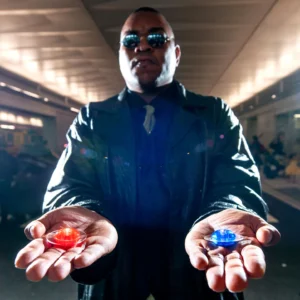
AI Prompt Example
Story Meaning
Red pill = truth, awakening, risk
Blue pill = comfort, illusion, safety
Perfect for: philosophical content, self-growth, branding visuals
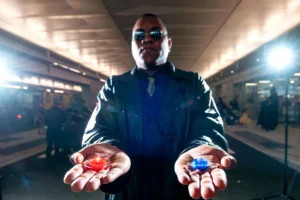
Why This Prompt Feels So Powerful at First Glance
The strength of this prompt lies in intentional detail. Every element serves a purpose. Nothing is random. When you design prompts this way, you guide the AI to produce an image that feels deliberate rather than decorative.
You’re not asking for a portrait.
You’re directing a scene.
This is the difference between an average AI image and one that feels cinematic.
Key emotional triggers in the prompt include:
- A composed, authoritative posture
- A grand, dark armchair suggesting power and control
- A sterile environment that feels unnatural
- Cascading green code that implies hidden truth
- A forced choice symbolized by two pills
Each component reinforces the same message: you must decide.
Red Pill World (Awakening & Reality)
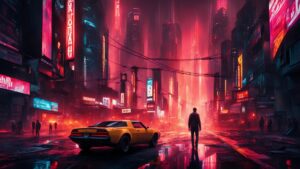
AI Prompt Example
Story Meaning
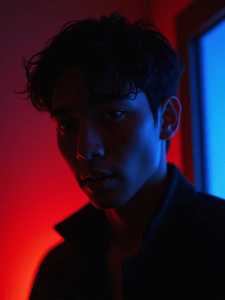
Facing harsh truth
Seeing reality as it really is
Power through awareness
Perfect for: motivation, tech awareness, bold brands
The Role of Environment in Visual Storytelling
When you design AI imagery, background matters as much as the subject. In this prompt, the room is described as dark and almost sterile. That choice isn’t accidental.
A sterile room removes warmth.
A dark room removes comfort.
Together, they create emotional pressure.
Now add the green digital code flowing down the walls. This instantly tells the viewer they are not in a normal space. You’re visually communicating that reality itself is unstable, manufactured, or controlled.
As the viewer, you don’t feel safe—but you feel curious.
That tension keeps attention locked.
AI Prompt Example
Story Meaning

Safety and comfort
Ignorance is bliss
Controlled reality
Perfect for: social commentary, contrast storytelling

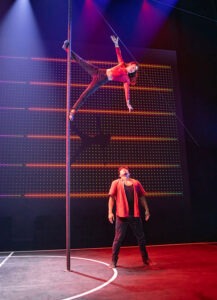
Kalani June and Gerardo Gutiérrez in Duel Reality. Photo by Jim Cox.
Symbolism: Why the Red and Blue Pills Still Work
Symbolism is powerful when it’s familiar but not overexplained. The red and blue pills are instantly recognizable symbols of choice, awareness, and consequence.
What makes this prompt effective is how the pills are presented:
- The hands are extended, not forced
- The posture is calm, not aggressive
- The choice feels intentional, not rushed
This tells you something important:
You are responsible for what happens next.
In visual storytelling, giving the viewer agency—even symbolically—creates deeper emotional investment. You’re not just watching a scene. You’re mentally participating in it.
Lighting: The Silent Emotional Driver
Lighting is one of the most underestimated elements in AI prompting.
Here, dramatic lighting serves three critical purposes:
- It adds contrast, making the subject stand out
- It creates shadows, reinforcing mystery and danger
- It emphasizes gravity, making the moment feel important
When shadows fall across a composed figure, your brain associates it with authority and secrecy. This is why the character feels calm but intimidating at the same time.
If you want AI images that feel cinematic instead of flat, lighting instructions are not optional—they are essential.
Character Design That Commands Attention
This prompt doesn’t just describe clothing. It communicates identity.
The dark trench coat suggests secrecy and control.
The crisp suit signals intelligence and discipline.
The round sunglasses remove emotional access.
You can’t see the eyes.
You can’t read the emotions.
That creates distance—and distance creates power.
When designing AI characters, remember this:
What you hide is often more powerful than what you show.
How This Prompt Solves Common AI Image Problems
Many creators struggle with AI images that feel:
- Too generic
- Emotionless
- Visually cluttered
- Lacking narrative focus
This prompt avoids those issues by doing three things right:
1. It Defines a Clear Moment
You’re capturing a single, meaningful decision—not a vague pose.
2. It Aligns Every Detail
Clothing, lighting, background, and posture all support the same theme.
3. It Guides Emotion Without Overwriting
You describe mood and symbolism without overwhelming the model with unnecessary instructions.
This balance is exactly what produces consistent, high-quality AI visuals.
How You Can Adapt This Prompt for Your Own Projects
You don’t need to copy this prompt word for word to benefit from it. Instead, you can reuse its structure.
Here’s how to adapt it:
- Replace the pills with another symbolic object
- Change the environment to match your theme
- Adjust lighting to reflect hope, fear, or control
- Modify posture to suggest dominance or vulnerability
For example, this structure works perfectly for:
- Cyberpunk branding visuals
- AI concept art
- Philosophical storytelling
- YouTube thumbnails
- Album covers
- Sci-fi book illustrations
Once you understand why the prompt works, you can recreate its impact in countless ways.
SEO Value: Why This Concept Performs Well Online
From an SEO perspective, this type of content performs well because it aligns with high-intent searches related to:
- AI image prompts
- Cinematic AI art
- Symbolic storytelling
- Cyberpunk visuals
- Conceptual character design
People searching these topics want depth, not surface-level tips. When your content explains meaning, structure, and application, it naturally earns longer engagement time—one of the strongest ranking signals.
Writing from the second-person perspective also increases readability and connection, keeping users on the page longer.
Final Thoughts: Why Intent Beats Complexity
The real lesson behind this prompt is simple:
Powerful AI images come from clarity, not excess.
You don’t need dozens of random descriptors.
You need alignment, symbolism, and purpose.
When you guide the AI like a director—not a shopper listing features—you get visuals that feel deliberate, emotional, and unforgettable.
Your Next Move
Now it’s your turn.
Take this prompt structure and adapt it. Experiment with different symbols, environments, and emotional tones. Push beyond “cool images” and start creating meaningful scenes.
If you want more advanced AI prompt breakdowns, cinematic prompt frameworks, and high-impact visual storytelling guides, explore the rest of the content on this site—and start building visuals that don’t just look good, but say something.