Street Portrait AI Prompt: How to Master the 35mm Documentary Style
Street Portrait AI Prompt: How to Master the 35mm Documentary Style
Street portraits have a unique power. They don’t shout. They whisper. A single face, caught in the flow of everyday life, can tell a deeper story than a perfectly staged studio shot. When you use a street portrait AI prompt inspired by the 35mm documentary style, your goal isn’t perfection — it’s truth. And that’s exactly what you’re going to learn how to create here.
This guide is written for you: the creator who wants AI-generated street portraits to feel real, human, and emotionally grounded. By the end, you’ll know how to write prompts that consistently produce authentic documentary-style portraits that look like they were captured on a city sidewalk, not rendered in a lab.
What Is a Street Portrait in 35mm Documentary Style?
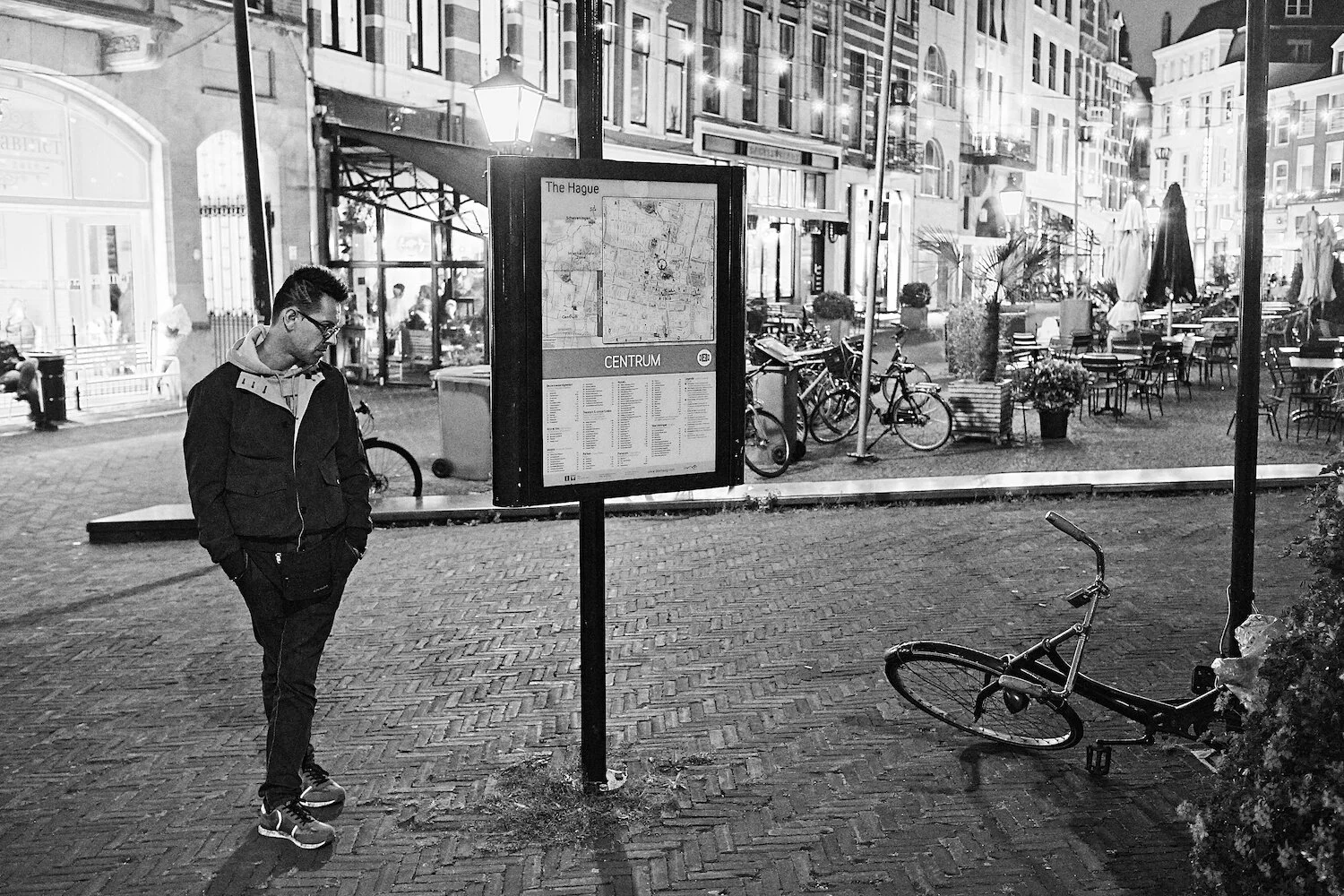
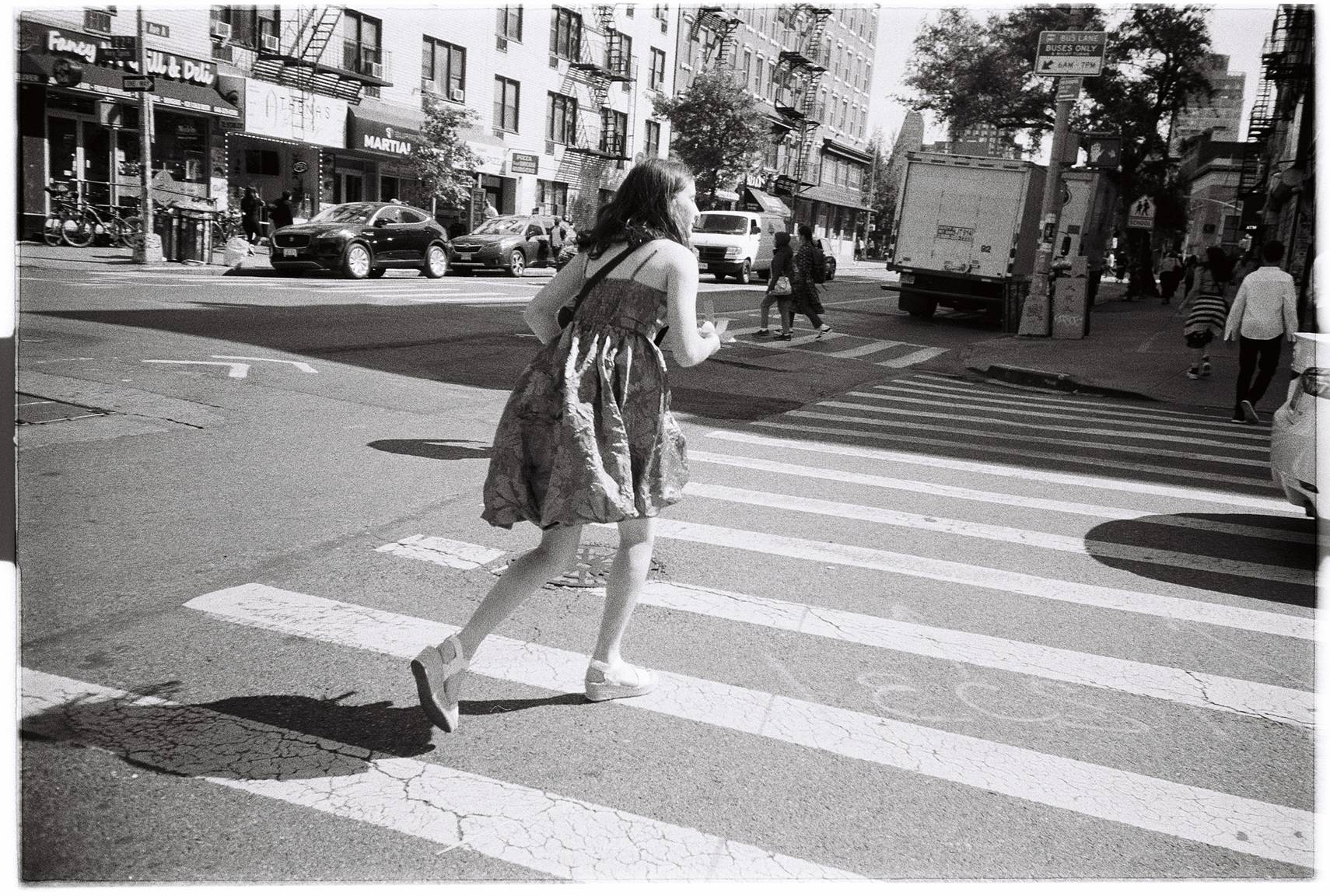
A street portrait focuses on a person in their natural urban environment. Unlike studio portraits, nothing feels controlled. Clothing is ordinary. Lighting is imperfect. Backgrounds are messy — and that’s the point.
The 35mm documentary style adds another layer:
- A natural field of view similar to human vision
- Slight background distortion that enhances realism
- A sense of closeness between you and the subject
When you combine this with AI image generation, the prompt becomes everything. The better your prompt, the more believable the result.
Why 35mm Works So Well for Street Portraits

You’ll often see documentary photographers favoring 35mm lenses, and the reason is simple: they feel honest.
With a 35mm street portrait AI prompt, you get:
- Context: The environment stays visible without overpowering the subject
- Intimacy: The viewer feels physically close to the person
- Storytelling: Background elements quietly add meaning
Telephoto lenses isolate too much. Ultra-wide lenses exaggerate. 35mm sits perfectly in between — and AI responds very well to that balance.
Core Elements of a Strong Street Portrait AI Prompt
To get consistent results, your prompt needs structure. Think of it like a recipe: every ingredient matters.
1. Subject Description (Who You’re Photographing)
Be specific, but human.
- Age range
- Gender or appearance (if relevant)
- Clothing style (casual, worn, work clothes)
- Facial expression or emotion
Example details:
- “middle-aged street vendor with tired eyes”
- “young woman wearing a faded denim jacket”
2. Environment (Where the Story Lives)
A street portrait without context feels empty.
- Narrow alleys, markets, sidewalks
- Urban textures: walls, signs, pavement
- Everyday chaos
Avoid generic phrases like city background. Describe what the street feels like.
3. Camera & Technical Language

This is where documentary realism comes alive.
- 35mm lens look
- Natural depth of field
- Slight motion blur or grain
These details signal to the AI that realism matters more than polish.
4. Lighting & Mood
Street portraits rely on available light.
- Overcast daylight
- Soft shadows
- No studio lighting
Emotion should guide the scene:
- Quiet
- Reflective
- Gritty
- Observational
Street Portrait Prompt “Recipe” (Easy Table)
| Prompt Element | What to Include | Example |
|---|---|---|
| Subject | Person + emotion | Elderly man with deep wrinkles |
| Location | Urban setting | Busy street market |
| Camera Style | Lens & realism | 35mm documentary photography |
| Lighting | Natural conditions | Soft overcast daylight |
| Mood | Emotional tone | Raw, candid, intimate |
Use this table as a checklist every time you write a street portrait AI prompt.
Example Street Portrait AI Prompt (35mm Documentary Style)
Here’s a complete, well-balanced example you can adapt:
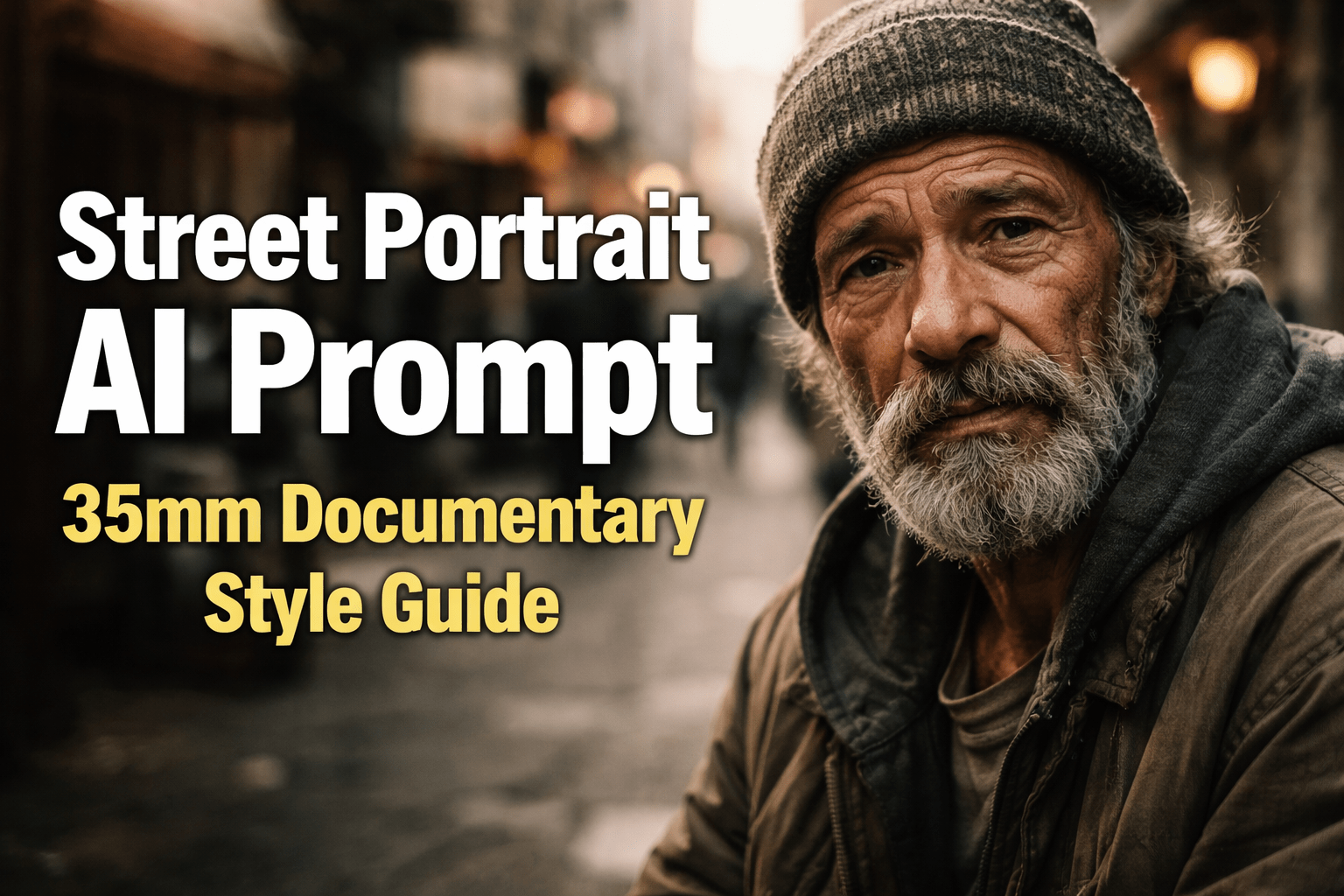
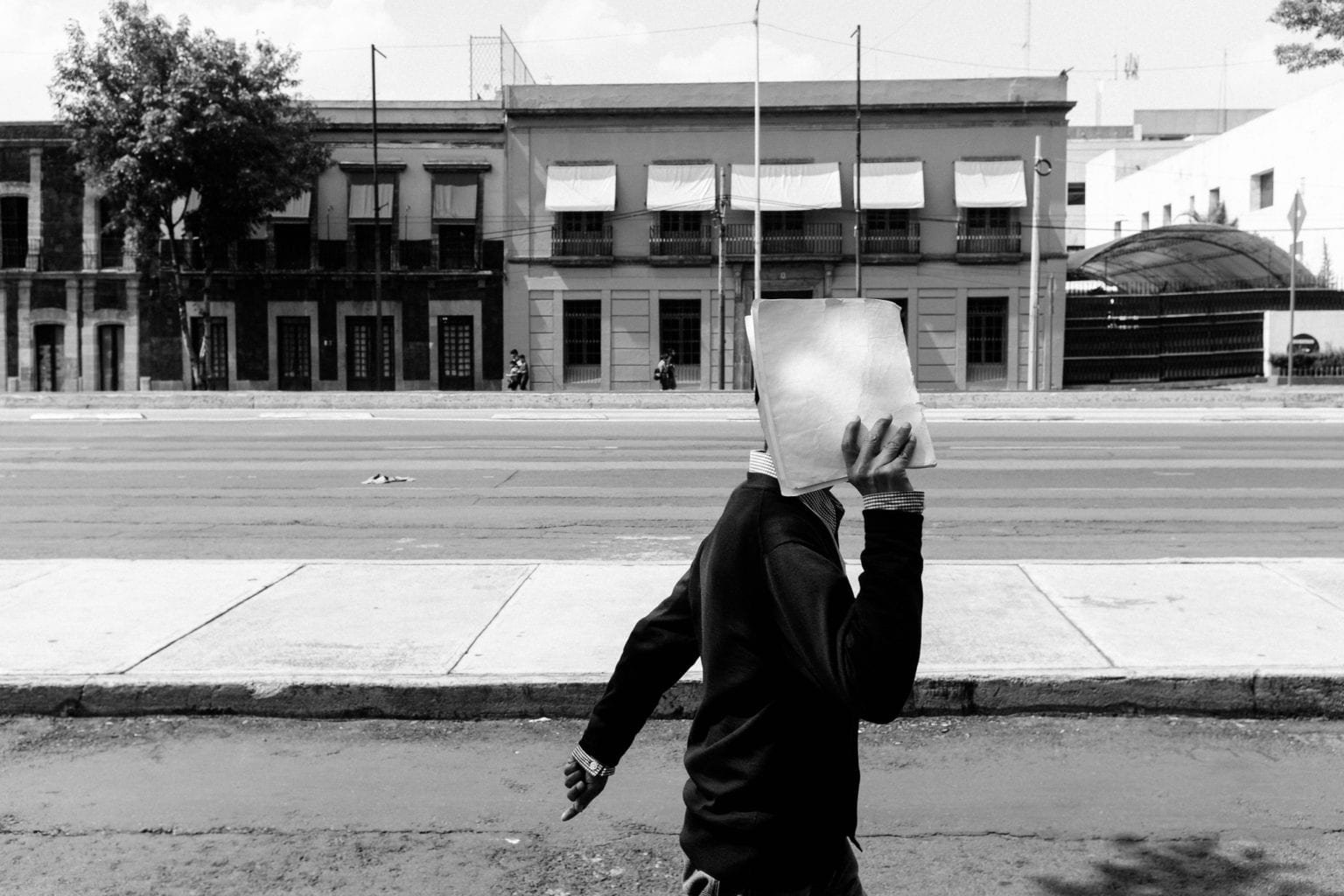
A candid street portrait of an elderly man standing in a narrow urban alley, wearing worn-out clothing, deep wrinkles visible on his face, natural expression, shot in 35mm documentary style, soft overcast daylight, realistic skin texture, subtle film grain, shallow depth of field, unposed, authentic street photography, raw and intimate atmosphere.
Notice how the language stays natural and descriptive. There’s no hype — just observation.
Common Mistakes That Ruin Street Portrait Realism
Even small errors can make your image feel artificial.
Over-Stylizing the Prompt
Words like ultra-perfect, cinematic masterpiece, or hyper-polished often push AI toward unrealistic results.
Ignoring Imperfections
Real street portraits include:
- Slight blur
- Noise
- Asymmetry
If everything looks flawless, it stops feeling documentary.
Being Too Vague
“Man on a street” gives AI nothing to work with. Precision creates personality.
Advanced Tips for Better Documentary Results
Once you’ve mastered the basics, refine your prompts with subtle cues.
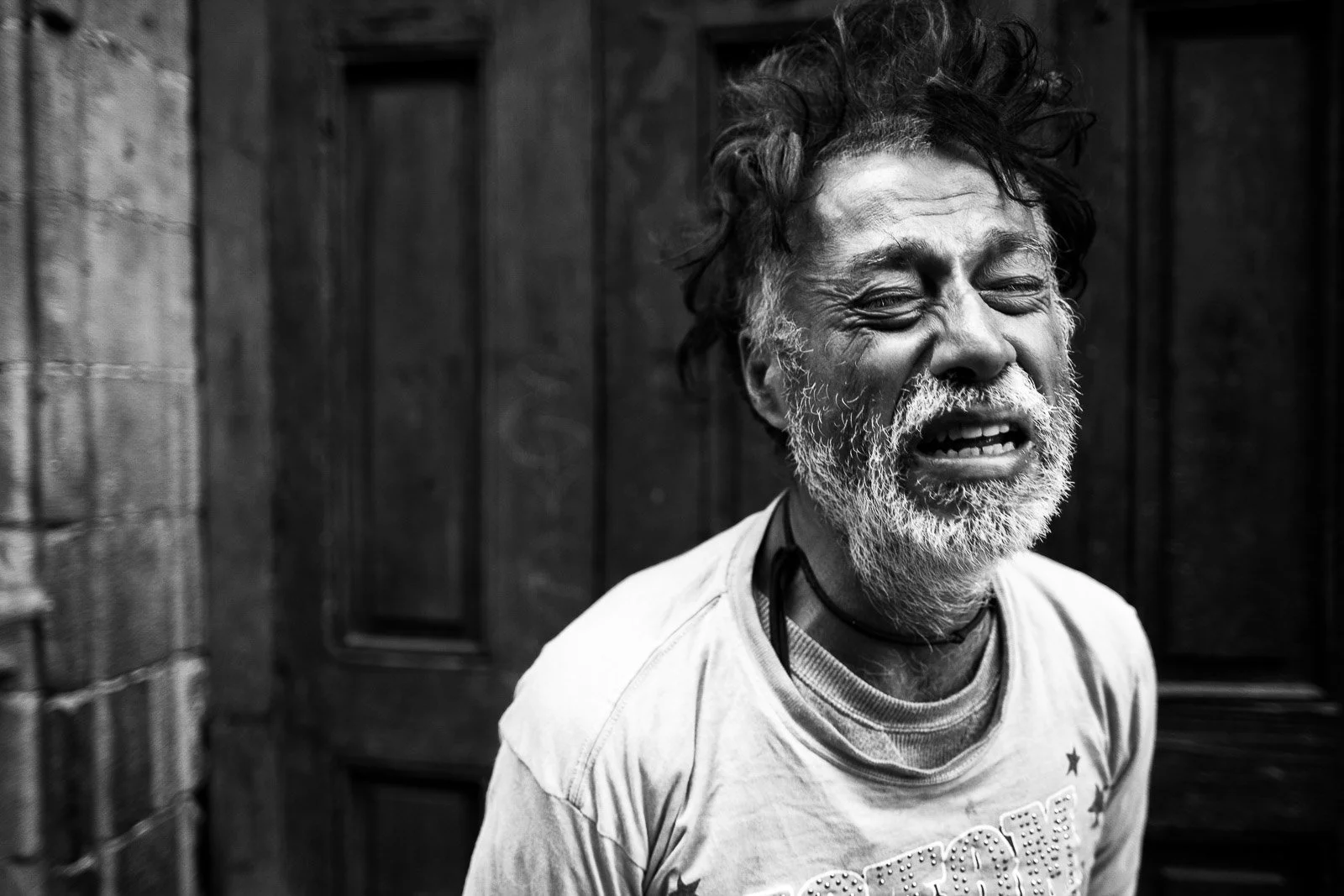
Add Human Imperfections
- “slight motion blur”
- “natural skin texture”
- “unbalanced framing”
Use Documentary Language
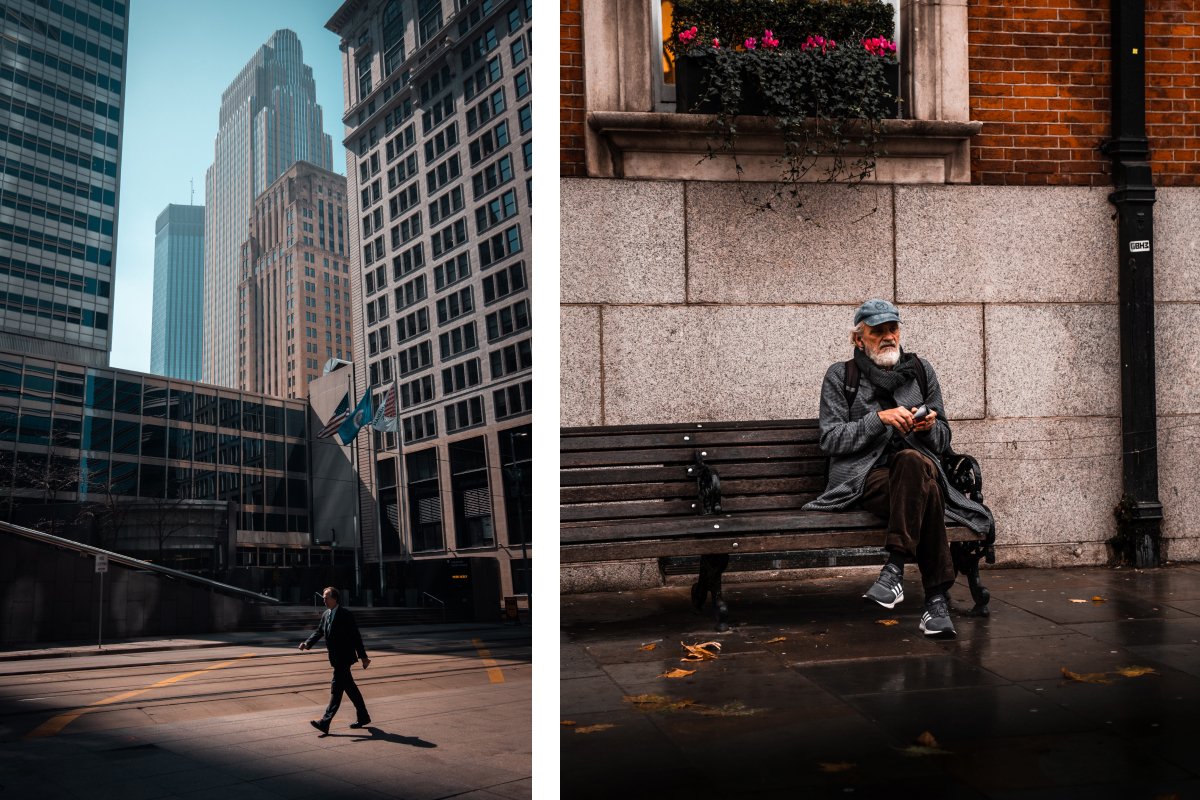
Words that work exceptionally well:
- candid
- unposed
- observational
- real-life moment
Vary Cultural Contexts
Street portraits feel richer when they reflect real places:
- European side streets
- Asian night markets
- North African medinas
Changing location details alone can dramatically alter the mood.
SEO Tips for Street Portrait AI Prompts
To rank well, your content — and even your prompts — need clarity.
- Use street portrait AI prompt naturally in headings and body text
- Avoid repeating the same sentence structure
- Write like a human explaining a process, not a machine listing steps
Search engines reward clarity, depth, and usefulness. So do readers.
Frequently Asked Questions About Street Portrait AI Prompts
What is the best street portrait AI prompt for 35mm documentary style?
The best prompt combines a clear subject, real urban context, 35mm camera language, and natural lighting, while emphasizing candid and unposed moments.
How do you make AI street portraits look realistic?
Focus on imperfections, natural light, and emotionally neutral descriptions instead of dramatic or cinematic exaggeration.
Can beginners use street portrait AI prompts?
Yes. Using a simple prompt recipe and table structure makes it easy for beginners to get consistent, realistic results.
Why is 35mm ideal for documentary-style street portraits?
Because it closely matches human vision, keeps environmental context, and creates intimacy without distortion.
Conclusion: Turn AI Into a Storytelling Tool
Street photography has always been about people, not technology. When you write a thoughtful street portrait AI prompt using a 35mm documentary style, you’re not just generating an image — you’re capturing a moment that feels lived-in and real.
If you slow down, observe details, and write prompts like a photographer instead of a technician, your results will change dramatically.
Call to Action
Now it’s your turn. Take one of your existing prompts and rewrite it using the street portrait recipe from this guide. Generate two versions, compare the results, and see how realism improves. If you found this article helpful, bookmark it, share it with other creators, and start building your own library of authentic street portrait AI prompts.