
Create Film-Like Visuals Using a Cinematic Portrait Prompt
cinematic portrait prompt are more than just good-looking images. They tell a story, evoke emotion, and feel like a still frame pulled from a high-budget movie. With the right cinatic portrait prompt, you can turn a simple idea into a powerful, elegant visual that feels professional, dramatic, and unforgettable.
In this guide, you’ll learn how cinematic prompts work, how to structure them correctly, and how to use real prompt examples to generate stunning cinematic portraits with AI.
What Makes a Portrait “Cinematic”?
A cinematic portrait focuses on mood and storytelling, not just the subject. The goal is to create emotional depth and visual drama.
Key cinematic elements include:
Directional lighting (side light, rim light, window light)
Shallow depth of field
Natural poses and expressions
Muted or film-inspired color grading
Minimal, atmospheric backgrounds
Camera details (lens type, aperture, framing)
When these elements are combined correctly in a prompt, the result feels like a movie still rather than a standard portrait.
Elegant Studio Cinematic Portrait

1. Cinematic Editorial Studio Portrait
Cinematic editorial studio portrait of a refined individual seated in a minimalist setting. Soft directional studio lighting sculpts the face with subtle shadows, emphasizing natural skin texture and facial structure. Neutral background with a gentle gradient enhances focus. The subject wears elegant, tailored clothing in dark tones. Calm, confident mood with cinematic color grading, shallow depth of field, ultra-realistic detail, professional photography, shot on a 50mm lens at f/2.8.

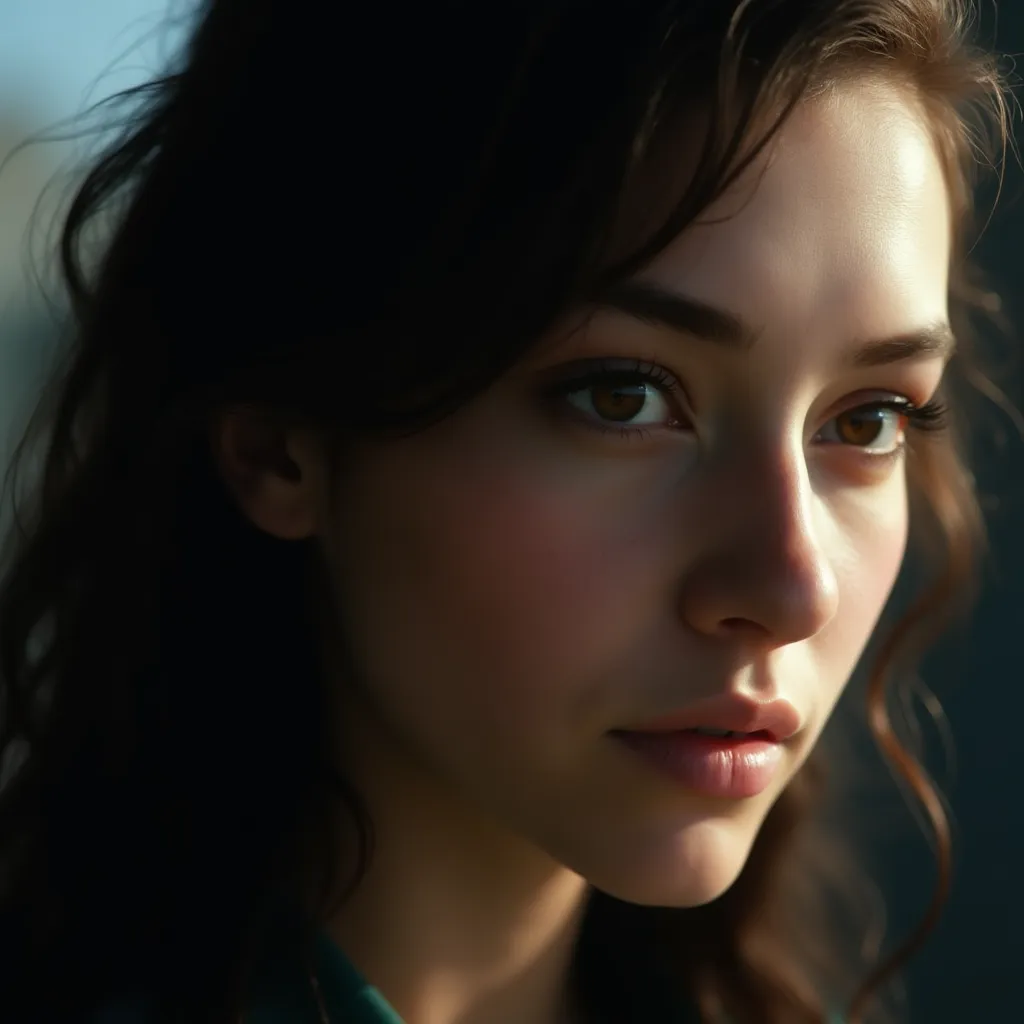
2. Natural Window-Light Cinematic Portrait
Cinematic portrait of a thoughtful individual standing beside a large window, illuminated by soft natural daylight. Light gently falls across one side of the face while the opposite side fades into smooth shadow. The background is softly blurred, creating depth and intimacy. The mood is quiet, elegant, and authentic, with cinematic tones, realistic skin texture, shallow depth of field, film-still aesthetic.
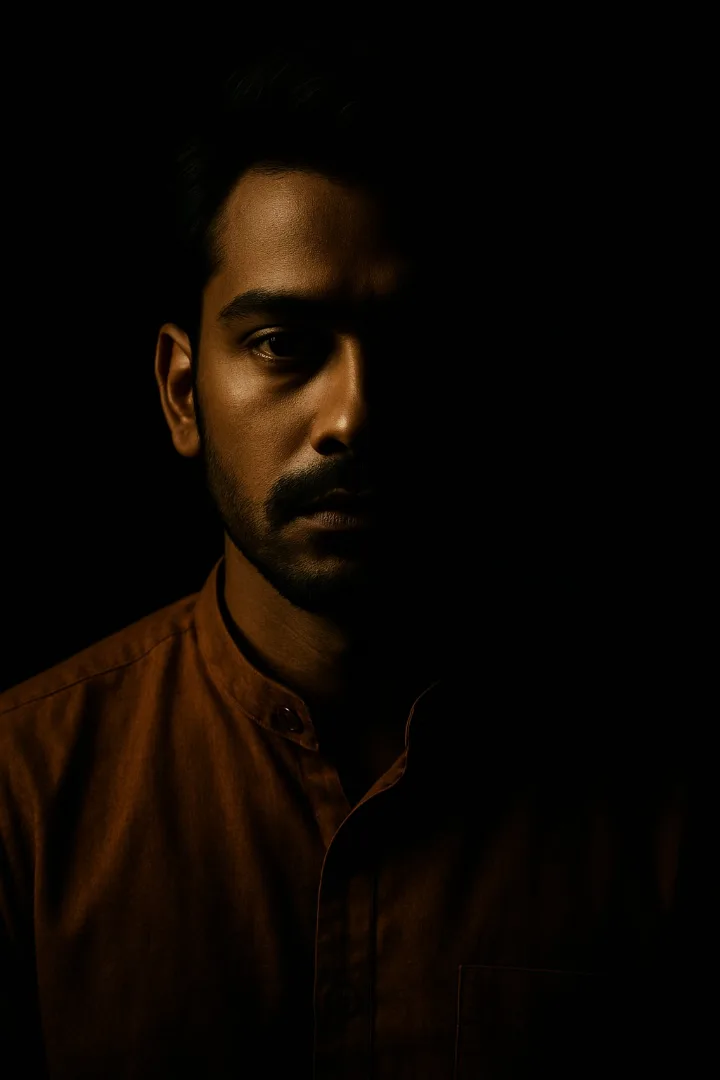
3. Dark Luxury Cinematic Portrait
Dark cinematic portrait of a confident individual captured in a low-key lighting environment. A single soft light source highlights facial contours while deep shadows create drama and elegance. Minimal background fades into darkness, drawing attention to expression and presence. Ultra-realistic textures, cinematic color grading, shallow depth of field, luxury editorial style, professional film still look.

Prompt
Use this style for personal branding, editorial portraits, or profile images
Change clothing color or expression to fit your brand identity
Works best with neutral or dark backgrounds to emphasize elegance
Cinematic portraits are more than just good-looking images. They tell a story, evoke emotion, and feel like a still frame pulled from a high-budget movie. With the right cinatic portrait prompt, you can turn a simple idea into a powerful, elegant visual that feels professional, dramatic, and unforgettable.
In this guide, you’ll learn how cinematic prompts work, how to structure them correctly, and how to use real prompt examples to generate stunning cinematic portraits with AI.
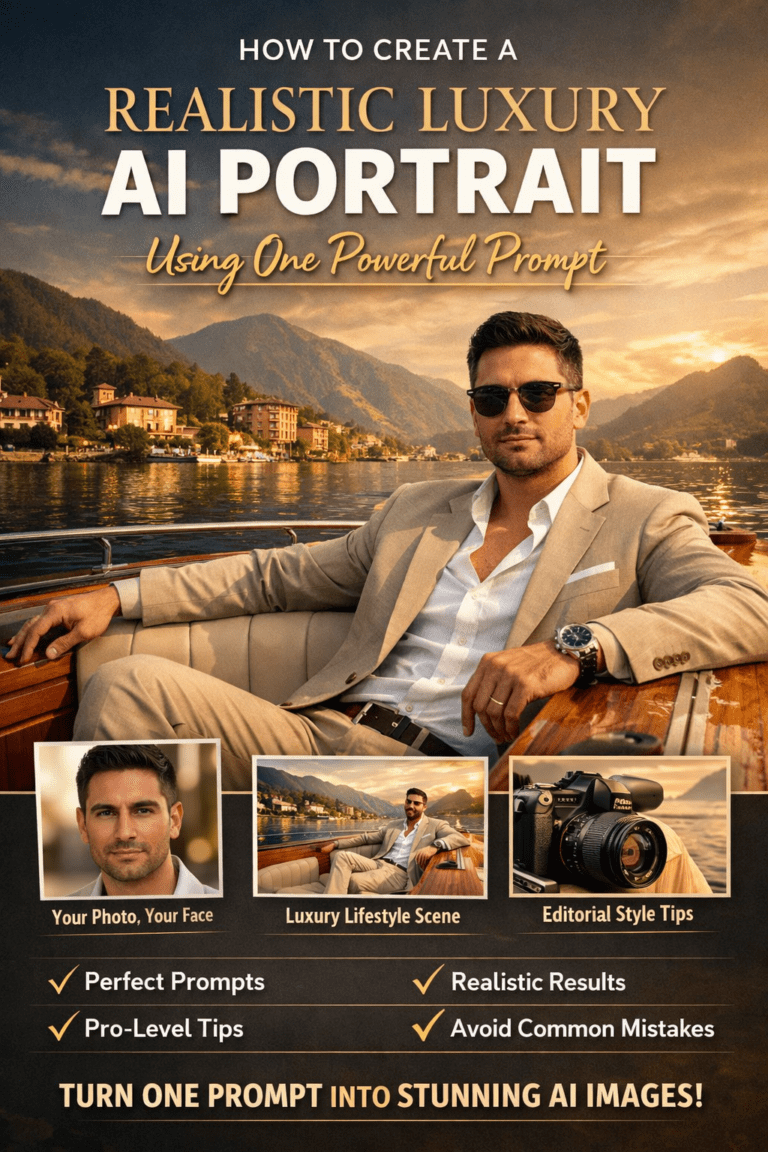
If you are looking to generate high-end, cinematic images that communicate confidence, elegance, and authority, this prompt is a strong foundation. It is more than a visual description—it is a branding tool. When used correctly, it helps you create images that feel intentional, professional, and emotionally persuasive.
In this guide, you will learn how to fully leverage this prompt, why it works so well for SEO-driven content and visual branding, and how you can adapt it for different creative or commercial goals.
Why This Prompt Works So Well
This prompt succeeds because it combines visual psychology, minimalist design, and cinematic composition. Each element is deliberate and contributes to a clear message: confidence, control, and refined taste.
When you generate images using this description, you are not just creating art—you are creating authority-driven visuals that resonate with audiences in fashion, business, luxury, and personal branding niches.
Key strengths of the prompt include:
- Clear subject positioning (seated, composed, confident)
- Strong contrast (black suit against white environment)
- Emotional cues (raised chin, steady gaze)
- Cinematic lighting that enhances realism and depth
- Minimalist props that support, not distract
These factors make the resulting image highly usable for websites, landing pages, editorials, and social media.
Cinematic Window-Light Portrait

4. High-End Fashion Cinematic Portrait
High-end cinematic fashion portrait of a stylish individual wearing modern, tailored clothing. Controlled studio lighting adds depth and contrast, creating a polished editorial look. Clean, minimalist background ensures focus on pose and outfit. The atmosphere is confident and sophisticated, with cinematic color grading, sharp focus on facial details, shallow depth of field, professional fashion photography aesthetic.

5. Dramatic Film-Still Portrait
Dramatic cinematic portrait inspired by a film still, featuring a strong subject with intense expression. High-contrast lighting defines the face while deep shadows enhance emotion. Subtle rim light separates the subject from the background, adding depth. The mood is powerful and emotional, with cinematic tones, ultra-realistic textures, shallow depth of field, professional movie still quality.

Prompt
How to Use This Prompt
Perfect for emotional, story-driven, or lifestyle portraits
Best used when you want a natural and authentic look
Increase drama by adding “overcast daylight” or “late afternoon light”
Visual Storytelling: What the Image Communicates to Your Audience
When someone sees an image generated from this prompt, they instantly read a story—even without text.
Here is what your audience subconsciously understands:
- Confidence: The posture and raised chin signal self-assurance
- Professionalism: The black suit implies authority and competence
- Luxury: The white chair, refined decor, and clean background suggest exclusivity
- Control: The calm pose and balanced composition feel intentional
If your goal is to build trust or elevate brand perception, this type of visual does the heavy lifting for you.
Dark & Dramatic Cinematic Portrait
6. Minimalist Modern Cinematic Portrait
Minimalist cinematic portrait of an elegant individual in a clean studio environment. Soft, balanced lighting creates natural highlights and smooth shadows. Neutral background and simple composition emphasize facial expression and posture. Calm, modern mood with cinematic color grading, ultra-realistic skin detail, shallow depth of field, professional editorial photography style.

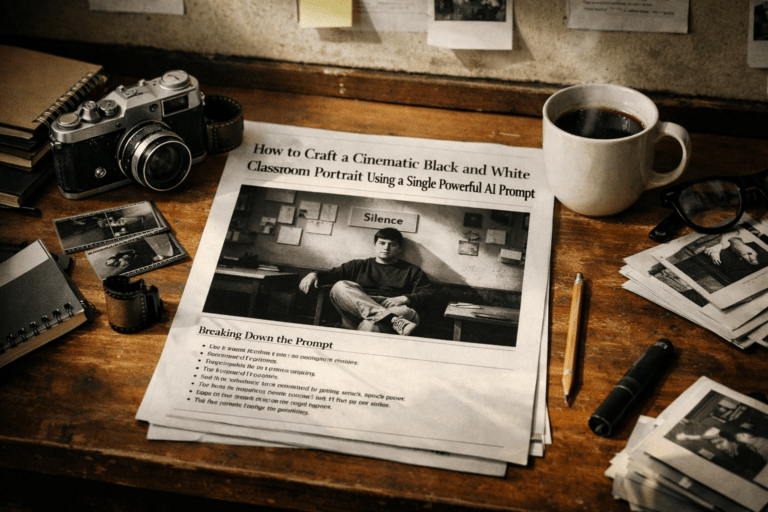
7. Black & White Cinematic Portrait
Black and white cinematic portrait of a composed individual captured in classic studio lighting. Strong contrast highlights facial structure and texture while soft shadows add depth. Timeless, elegant atmosphere inspired by classic cinema. Fine grain, ultra-realistic detail, shallow depth of field, professional monochrome film aesthetic.
Pro Tips to Improve Cinematic Results
Add lens details like
35mm,50mm, or85mmUse words like film still, cinematic color grading, or movie lighting
Avoid cluttered backgrounds — cinematic portraits thrive on simplicity
Focus on emotion: calm, confident, introspective, mysterious
Common Mistakes to Avoid
Overloading the prompt with unnecessary objects
Mixing too many lighting styles
Forgetting to specify mood or atmosphere
Using generic phrases without visual intent
A cinematic prompt should feel intentional, not random.
How to Use This Prompt
Ideal for fashion, concept art, or powerful character portraits
Keep the background simple to maintain focus on emotion
Works especially well with black or dark clothing
Best Use Cases for This Prompt
You can use this prompt across multiple industries and content types. Below are the most effective applications.
1. Personal Branding and Authority Figures
If you are building a personal brand—coach, consultant, entrepreneur, or creative professional—this style of image positions you as credible and premium.
You can use the visual for:
- Website hero sections
- About pages
- LinkedIn banners
- Media kits
The image communicates leadership before a single word is read.
2. Fashion and Editorial Content
The combination of cinematic lighting and minimalist styling makes this prompt ideal for editorial fashion visuals.
Perfect for:
- Online magazines
- Lookbook covers
- High-end fashion blogs
- Brand storytelling campaigns
You can subtly adapt the prompt to emphasize fabric texture, tailoring, or accessories without losing the elegant tone.
3. Luxury Product or Service Promotion
If you sell premium services or products, visual alignment is critical. This prompt creates a luxury-first atmosphere that pairs well with:
- High-ticket offers
- Exclusive memberships
- Boutique agencies
- Premium digital products
Luxury brands succeed when visuals feel calm, confident, and intentional—exactly what this prompt delivers.
SEO Value: Why Images Like This Improve Content Performance
From an SEO perspective, strong visuals improve more than aesthetics.
Here is how this type of image helps your rankings indirectly:
- Increases time on page
- Reduces bounce rate
- Encourages social sharing
- Enhances content relevance
When paired with well-optimized alt text and surrounding content, these visuals support image search visibility and overall page authority.
To maximize SEO impact, always:
- Use descriptive, natural alt text
- Match image intent with article intent
- Avoid over-styling or clutter
How to Customize the Prompt Without Losing Its Power
One of the biggest advantages of this prompt is flexibility. You can adapt it while preserving its core strength.
Here are safe customization ideas:
- Change the chair design (modern, classic, sculptural)
- Swap the background art style (abstract, minimalist, contemporary)
- Adjust lighting mood (softer editorial, stronger contrast)
- Modify pose subtly (hand on armrest, relaxed posture)
What you should avoid:
- Busy backgrounds
- Excessive props
- Overly dramatic facial expressions
Minimalism is what keeps the image timeless and premium.
Common Mistakes to Avoid
Even strong prompts can fail if misused. Be mindful of these issues:
- Overloading the scene with unnecessary objects
- Using inconsistent color palettes
- Ignoring lighting quality
- Generating low-resolution outputs
Remember: luxury visuals rely on restraint, not excess.
Turning This Prompt Into a Visual System
If you plan to create multiple images, treat this prompt as a base template.
You can build a visual system by:
- Keeping the same environment
- Changing outfits slightly
- Adjusting camera angles
- Varying emotional tone subtly
This approach creates consistency across your website or brand while keeping visuals fresh.
Why Minimalist Cinematic Prompts Perform Better Long-Term
Trendy visuals fade quickly. Clean, cinematic compositions age well.
This prompt avoids:
- Loud colors
- Trend-dependent aesthetics
- Over-stylized effects
As a result, the images you create today can still feel relevant months—or even years—later. That longevity is critical for evergreen content and SEO-focused websites.
Final Thoughts: Use Visual Confidence to Strengthen Your Message
This prompt is not just about creating a beautiful image. It is about intentional communication.
When you use visuals like this:
- You guide perception
- You establish authority
- You elevate your brand presence
If you want your content to feel polished, trustworthy, and high-value, this type of cinematic prompt is a smart creative choice.
Ready to Go Further?
If you want to refine this prompt for specific platforms, commercial goals, or different visual moods, start experimenting with small, controlled changes. The strongest results come from clarity—not complexity.
Use this prompt as your foundation, and build visuals that speak before your words do.
Frequently Asked Questions (FAQ)
What is a cinematic portrait prompt?
A cinematic portrait prompt is a carefully written description that guides an AI image generator to create portraits with a film-like look. It focuses on lighting, mood, composition, and realism to produce images that feel like movie stills rather than ordinary photos.
Do I need photography knowledge to use cinematic prompts?
No, but basic understanding helps. Well-written cinematic prompts already include professional photography concepts like lighting direction, lens choice, and depth of field, so beginners can still achieve high-quality results without technical experience.
Which elements matter most in a cinematic portrait prompt?
Lighting and mood are the most important. Even a simple subject can look cinematic if the lighting is intentional and the atmosphere is clearly defined. Camera details and background control come next.
Can I use the same cinematic prompt for different people?
Yes. You can reuse the same structure and simply change the subject description (gender, clothing, expression). This is common in professional workflows and helps maintain a consistent visual style.
Why do cinematic portraits look more realistic than regular AI images?
Because cinematic prompts limit randomness. They focus on controlled lighting, realistic environments, and subtle emotion, which reduces the artificial look often caused by overly complex or crowded prompts.Are cinematic portrait prompts good for branding and business use?
Absolutely. They are widely used for personal branding, corporate profiles, fashion editorials, and website featured images because they communicate confidence, quality, and professionalism.
Should I always include camera and lens details?
Including camera details improves consistency and realism, but it’s not mandatory. If you want more control and repeatable results, adding lens and aperture information is highly recommended.
What aspect ratio works best for cinematic portraits?
For featured images and blogs, 16:9 works best. For social media and Pinterest, 4:5 or vertical formats perform better while still maintaining a cinematic feel.
Can cinematic prompts work with any AI image generator?
Yes. While syntax may vary slightly, the core principles—lighting, mood, composition, and realism—apply across all major AI image generation platforms.
How do I avoid my cinematic portraits looking too dark?
Balance is key. Use soft directional lighting instead of harsh shadows, and avoid stacking too many “dark” keywords. Cinematic does not always mean low light—it means intentional light.