
cinematic analog portrait AI prompt
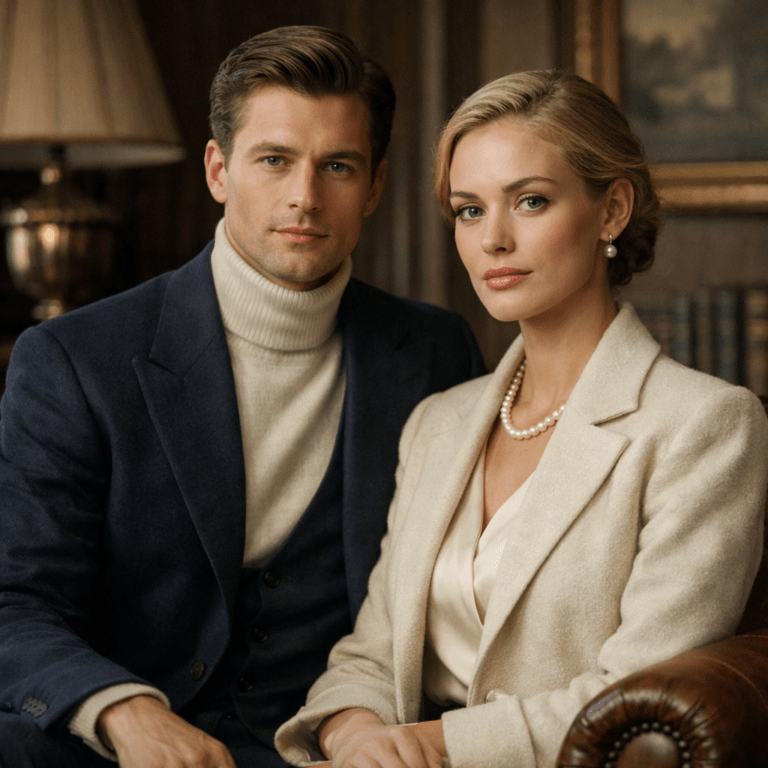
Create stunning retro-inspired images with this cinematic analog portrait AI prompt. Learn how to craft moody lighting, film grain, halation, and authentic vintage tones to achieve a timeless cinematic analog portrait AI prompt style that looks like real 35mm film photography.
If you’re trying to create an image that feels like a memory rather than a digital render, this cinematic analog portrait prompt is exactly what you need. It blends emotion, atmosphere, and realism in a way that turns a simple portrait into a visual story. In this guide, you’ll learn how to use this prompt effectively, why each element matters, and how to optimize it for stunning, consistent results—especially when working with tools like Nano Banana or similar image models.
This article is written for you—whether you’re a creator, designer, photographer, or content marketer—so you can apply the technique directly and get professional-level outputs.
Why This Cinematic Portrait Prompt Works So Well
At first glance, this prompt may look long. That’s intentional. High-quality AI image generation depends on clear visual direction, emotional context, and technical cues.
This prompt succeeds because it combines:
- Emotional storytelling
- Real-world photography logic
- Cinematic composition
- Analog film aesthetics
- Identity preservation (via reference image)
Instead of asking the AI to “generate a portrait,” you’re guiding it to recreate a lived moment.
Understanding the Scene: Emotion Comes First
The heart of this prompt is emotion. You’re not just creating a portrait of a woman in a car—you’re capturing a fleeting, introspective moment.
Key emotional cues in the prompt:
- Direct but melancholic gaze
- Wind-blown, imperfect hair
- Spontaneous framing
- Quiet, desolate background
These elements tell the model how the image should feel, not just how it should look. That’s critical if you want cinematic results rather than flat, commercial visuals.

Composition Breakdown: Why the Car Window Matters
Placing the subject inside a car, framed by the open window, instantly adds depth and narrative.
You benefit from:
- Natural framing using the car structure
- A sense of motion and travel
- Intimacy without closeness
- Visual layers (foreground, subject, background)
The visible rearview mirror subtly reinforces the idea of reflection—both literal and emotional. This is a small detail, but it significantly elevates realism.

Styling and Wardrobe: Why Simplicity Wins
The prompt specifies dark, casual clothing like a jacket, jeans, or sweatshirt. This is deliberate.
Simple wardrobe choices:
- Keep focus on facial expression
- Avoid distracting colors or patterns
- Support a timeless, documentary feel
When you use neutral clothing, the image avoids looking staged. It feels authentic—almost accidental—which is exactly what analog-style portraits aim for.
Lighting and Color: The Power of Overcast Days
Bright sunlight kills mood. This prompt wisely chooses soft, diffuse lighting, typical of cloudy weather or dusk.
Why this lighting works:
- Gentle shadows shape the face naturally
- No harsh highlights or contrast
- Enhances emotional subtlety
The desaturated, cool, earthy color palette reinforces nostalgia. Combined with visible film grain, the image mimics real analog photography instead of clean digital sharpness.
Camera Settings: Teaching the AI to “Think Like a Photographer”
One of the strongest parts of this prompt is the inclusion of camera settings. This anchors the generation in real photography logic.
You’re telling the model to simulate:
- 50mm or 85mm prime lens → natural perspective
- Wide aperture (f/1.8–f/2.8) → shallow depth of field
- ISO 400–800 → low-light texture and grain
This results in:
- Sharp eyes
- Soft background blur
- Organic noise instead of artificial smoothness
When AI understands how the image was “shot,” the output becomes far more believable.
Using a Reference Image: Identity Preservation Done Right
The instructions for Nano Banana are crucial if you want the generated portrait to actually look like the user.
You explicitly request:
- Facial structure accuracy
- Correct skin tone and eye color
- Hair color and style fidelity
- Overall likeness consistency
This avoids one of the most common AI image problems: identity drift.
By combining:
- A strong cinematic scene
- Clear technical guidance
- Explicit identity instructions

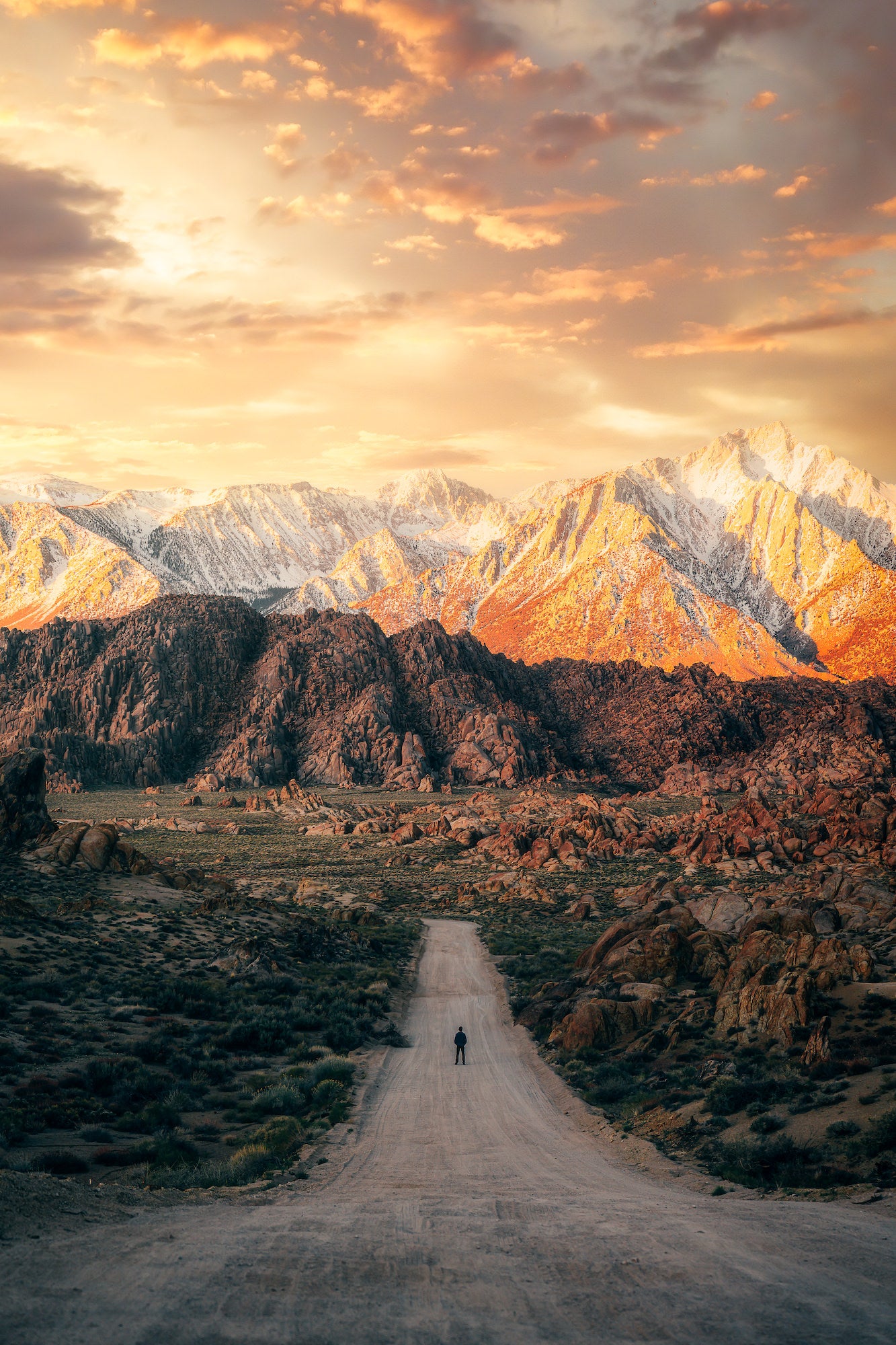
You create a seamless fusion between who the person is and the mood of the image.
How to Optimize This Prompt for Best Results
To get consistent, high-quality outputs, follow these best practices:
1. Keep the Core Structure
Don’t strip the prompt down too much. Each section serves a purpose—emotion, composition, lighting, and realism.
2. Adjust Mood, Not Mechanics
If you want variation, tweak:
- Time of day (dawn vs dusk)
- Emotional tone (longing, calm, distant)
But keep camera and lighting logic intact.
3. Use High-Quality Reference Images
Choose reference photos with:
- Clear facial visibility
- Neutral lighting
- Minimal filters
This improves likeness accuracy dramatically.
Common Mistakes to Avoid
- ❌ Overloading with fashion details
- ❌ Using bright or saturated color requests
- ❌ Removing camera settings
- ❌ Ignoring emotional descriptors
Remember: cinematic images are about restraint, not excess.
Who This Prompt Is Perfect For
You’ll find this prompt especially useful if you are:
- Creating cinematic profile images
- Designing storytelling visuals
- Producing AI-generated editorial art
- Building emotional brand imagery
- Exploring analog or film-inspired aesthetics
It works equally well for personal projects and professional portfolios.
Final Thoughts: Turn Prompts Into Visual Stories
This prompt proves that AI image generation isn’t about randomness—it’s about direction. When you guide the model with emotion, technical realism, and narrative context, the results feel intentional and human.
You’re no longer just generating images.
You’re directing a scene.
Ready to Experiment?
Try refining this prompt with subtle emotional changes or different landscapes. Share your results, compare variations, and push the cinematic feel even further. The more intentional your prompts become, the more powerful your images will be.