30 Simple Prompts for Understanding Complex Algorithms
How to Create a Hyper-Prompts for Understanding Complex Algorithms
Creating a hyper-realistic cinematic portrait is no longer reserved for Hollywood studios or high-end photographers. With the right AI prompt, you can generate images that look like they came straight out of a luxury crime drama—powerful, elegant, and emotionally controlled.
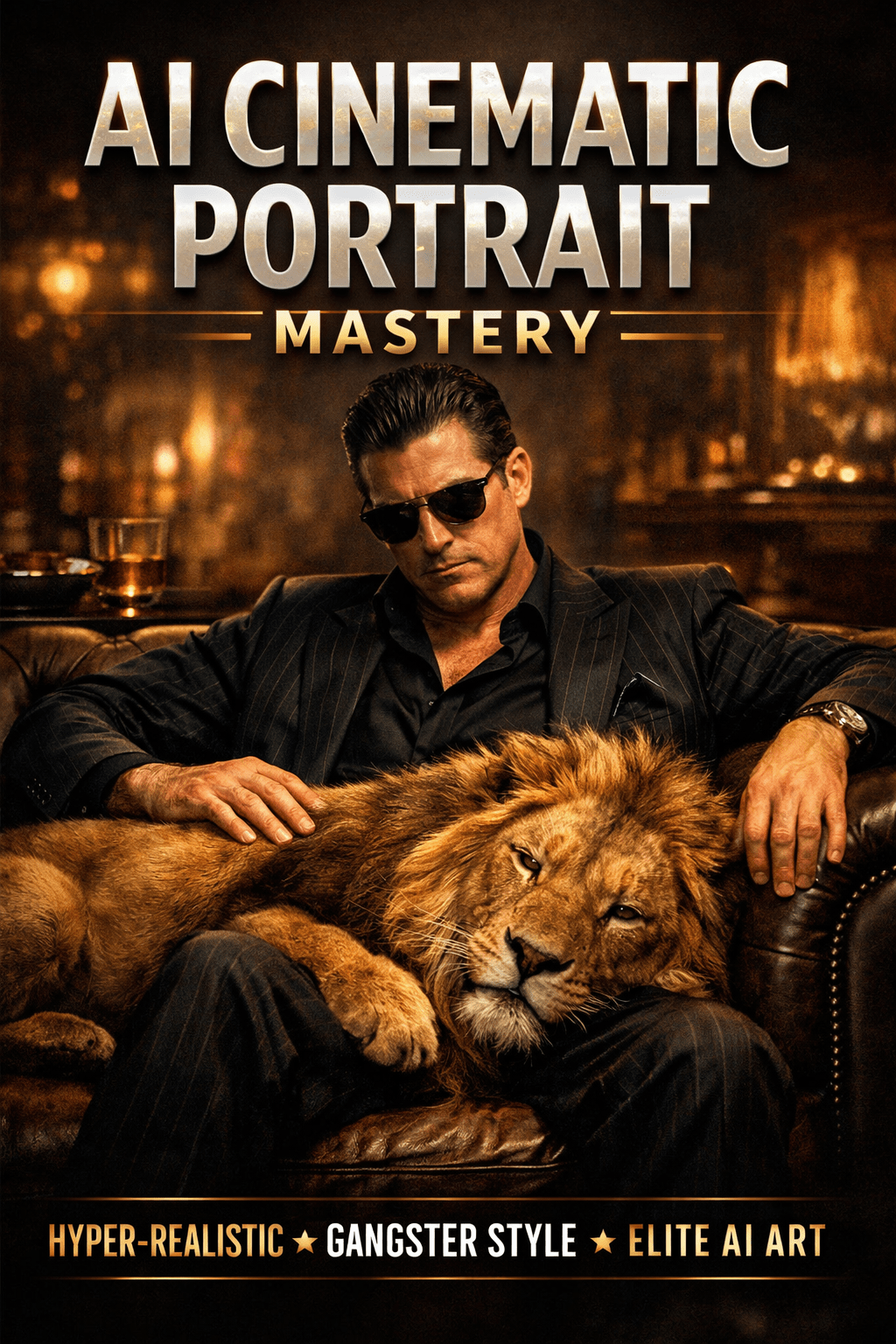
In this guide, you’ll learn how to use one advanced AI prompt to produce a dominating gangster-style portrait that preserves facial identity, enhances presence, and delivers cinematic realism. Whether you work with AI image generators like Midjourney, Leonardo AI, or Stable Diffusion, this breakdown helps you extract professional-grade results every time.
Why Hyper-Simple Prompts for Understanding Complex Algorithmst
Cinematic portraits stand apart because they do more than show a face. They tell a story.
When done correctly, a cinematic AI portrait:
- Preserves identity with high accuracy
- Communicates power and authority without aggression
- Uses lighting to create mood and hierarchy
- Feels intentional, not random
If you want your images to feel luxurious, confident, and unforgettable, cinematic realism is the standard you should aim for.
The Core Prompt Explained (And Why It Works)
The provided prompt isn’t just descriptive—it’s strategic. Each section plays a role in controlling the output.
Here’s what makes it powerful:
1. Precise Identity Locking
You instruct the AI to preserve:
- Facial structure
- Skin tone
- Hairstyle
- Age accuracy
- Body proportions
- Natural expressions
This eliminates the most common AI issue: face drift. If you’re generating portraits for branding, profile images, or character continuity, this is non-negotiable.
2. Controlled Power, Not Aggression
Instead of forcing violence or exaggeration, the prompt emphasizes:
- Calm dominance
- Confident posture
- Relaxed body language
This is critical. Images that rely on shouting power often look artificial. Quiet authority feels real, and AI models respond better to this subtle framing.
3. Environmental Storytelling
The velvet sofa, relaxed posture, and seated pose immediately establish hierarchy. You’re not just generating a portrait—you’re placing the subject in a narrative environment.
Why this matters:
- AI understands context better than abstract traits
- Physical surroundings reinforce character identity
- Luxury textures elevate realism
4. Symbolism Done Right (The Lion)
The lion isn’t aggressive. It’s calm. Resting.
This choice does three things:
- Reinforces dominance symbolically
- Avoids violent imagery triggers
- Creates visual contrast between power and peace
If you replace the lion with chaos, you lose elegance. Keeping it composed is what makes the image cinematic.
Lighting and Style: The Difference Between “AI” and “Cinema”
Lighting instructions are where most prompts fail. Yours doesn’t.
By specifying:
- Cinematic lighting
- Extreme detail
- Realistic texture handling
- Luxurious atmosphere
You guide the model away from flat renders and toward film-grade depth.
Pro Tip:
Avoid adding too many lighting styles. One clear cinematic direction beats five conflicting ones.
Wardrobe Choices That Enhance Authority
Your prompt allows for:
- Pinstriped suit
- Open-neck silk shirt
Both communicate status, but in different ways:
- Pinstriped suit → structured power, legacy authority
- Silk shirt → modern dominance, controlled confidence
Giving the AI a choice prevents stiffness and improves natural output.
Why Sunglasses Increase Perceived Power
Dark sunglasses aren’t a fashion detail—they’re a psychological cue.
They:
- Remove emotional vulnerability
- Create mystery
- Shift focus to posture and body language
In AI imagery, sunglasses also reduce facial distortion risk while enhancing mood.
Best Use Cases for This Type of AI Portrait
You can apply this prompt effectively if you want:
- Luxury personal branding images
- Cinematic profile pictures
- AI character design for stories or games
- High-impact social media visuals
- Editorial or concept art
If your goal is presence, not just aesthetics, this style delivers.
How to Improve Results Across Different AI Platforms
While the prompt works universally, you can refine it slightly depending on your tool.
If you use Midjourney:
- Add camera details like “85mm lens”
- Use “–style raw” for realism
If you use Leonardo AI:
- Increase prompt weight on “identity preservation”
- Lock seed for consistency
If you use Stable Diffusion:
- Pair with a high-quality realistic checkpoint
- Use ControlNet for pose accuracy
Common Mistakes You Should Avoid
Even strong prompts can fail if you:
- Overload adjectives
- Add conflicting emotions
- Mix multiple art styles
- Push aggression instead of authority
Remember: cinematic power is quiet.
SEO Tip: Why This Prompt Style Ranks Well
People don’t search for “nice AI images.”
They search for:
- Hyper-realistic AI portraits
- Cinematic AI prompts
- Gangster AI character prompts
- Luxury portrait AI generation
Your content aligns perfectly with high-intent search queries, especially when paired with clear explanations and real value.
Final Thoughts: Turn Prompts Into Presence
This prompt works because it respects three rules:
- Identity comes first
- Power is controlled, not forced
- Environment tells the story
When you use AI this way, you’re not generating images—you’re directing scenes.
Call to Action
If you want more high-impact cinematic AI prompts, advanced image-generation strategies, or breakdowns that actually improve results, save this guide and experiment with the prompt today.
The difference between average AI art and elite visuals is rarely the tool—it’s how you speak to it.
If you want, I can also:
- Optimize this article for Rank Math / Yoast
- Create a featured image prompt
- Extract focus keywords + meta description
- Rewrite it to target Midjourney or Leonardo AI specifically
Just tell me 🔥