30 Creative Prompts for Building Chatbots That Engage
Chatbots are everywhere. You see them on websites, apps, e-commerce stores, and customer support pages. Yet most of them still feel the same—cold, scripted, and disconnected from real human interaction. If you’ve ever closed a chat window because the bot didn’t understand you, you already know the problem.
The truth is simple: a chatbot is not defined by its technology alone. It is defined by how you guide it. This is exactly where 30 Creative Prompts for Building Chatbots make a real difference. When prompts are intentional, your chatbot becomes clearer, smarter, and more useful. When they are lazy, the experience breaks instantly.
In this guide, you’ll learn how to use creative prompts to build chatbots that users actually enjoy interacting with—and why this approach matters more than ever.
Why Prompts Are the Foundation of Every Successful Chatbot
Every chatbot response starts with a prompt, whether you write it consciously or not. Prompts act as instructions that shape behavior, tone, logic, and flow. Without strong prompts, even advanced AI models feel shallow.
Creative prompts help you:
- Guide conversations instead of reacting randomly
- Reduce user frustration and confusion
- Increase engagement and session time
- Improve conversions and task completion
When you focus on creativity and clarity, you give your chatbot a framework that mirrors human thinking rather than rigid automation.
How to Approach the 30 Creative Prompts for Building Chatbots
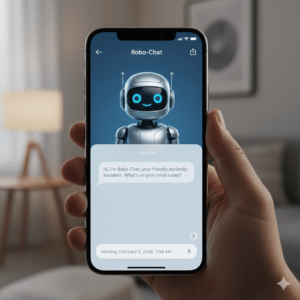
Create an Avatar or Chatbot Personality
Prompt: “Hi, I’m Robo-Chat, your friendly assistant. What’s on your mind today?”
Adding a personality to your chatbot makes it feel more approachable. Users are more likely to engage with a chatbot that has a distinct voice.
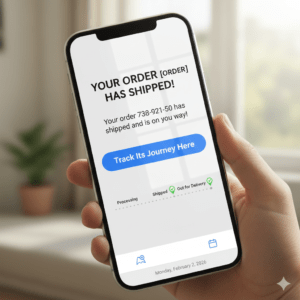
11. Real-Time Order Tracking
Prompt: “Your order [Order ID] has shipped and is on its way! Track its journey here.”
Real-time tracking updates build transparency and trust with users. They help users feel in control of their order and reduce anxiety about delivery.
12. Location-Based Recommendations
Prompt: “I see you’re in [City]. Would you like some suggestions for local restaurants?”
Using location-based prompts helps the chatbot provide hyper-relevant suggestions. It also feels more personalized to the user’s situation.
13. Create Urgency
Prompt: “Hurry, only [X] items left in stock! Would you like to purchase before they’re gone?”
Urgency prompts, such as limited stock or time-sensitive offers, encourage users to act quickly, increasing conversions.
30 Creative Prompts for Building Chatbots (Practical Examples)
To make these prompts easy to apply, they are grouped by real-world use cases. You can adapt them to fit your platform or audience.
User Onboarding Chatbot Prompts
Onboarding sets the tone for everything that follows. Your chatbot should guide users without overwhelming them.
- Guide new users step by step, using simple language and short sentences.
- Ask one clear question at a time to understand user goals.
- Explain features through examples instead of definitions.
- Reassure users when they seem unsure or inactive.
- Summarize key actions before ending the onboarding flow.
These prompts help reduce bounce rates and increase early engagement.
Customer Support Chatbot Prompts
Support conversations often involve frustration. Your chatbot must respond with patience and empathy.
- Acknowledge the user’s problem before offering solutions.
- Ask clarifying questions instead of making assumptions.
- Provide solutions in numbered steps for clarity.
- Offer alternative fixes if the first solution fails.
- Escalate to a human politely when automation reaches its limit.
Strong support prompts can drastically reduce support tickets.
Sales and Lead Generation Chatbot Prompts
Sales chatbots should guide decisions, not push them.
- Begin conversations by understanding needs, not selling immediately.
- Recommend options based on user responses.
- Address objections calmly with useful explanations.
- Focus on benefits instead of features.
- Invite the user to take the next step without pressure.
These prompts build trust, which directly impacts conversion rates.
Educational and Coaching Chatbot Prompts
Teaching through chat requires structure and adaptability.
- Explain topics gradually, adjusting depth based on user replies.
- Ask follow-up questions to confirm understanding.
- Use metaphors and analogies to simplify complex ideas.
- Encourage curiosity rather than rushing to conclusions.
- End sessions with a clear summary of what was learned.
Educational prompts help users feel supported instead of tested.
Entertainment and Engagement Chatbot Prompts
Engagement-focused bots thrive on personality and adaptability.
- Use light humor when appropriate, without distracting from the goal.
- Turn conversations into interactive experiences.
- Adapt responses based on user mood or tone.
- Encourage playful exploration through questions and challenges.
- Close conversations with memorable, friendly messages.
These prompts are perfect for social platforms and brand engagement.
Advanced AI Personality Prompts
These prompts push chatbots beyond basic automation.
- Maintain consistent personality traits across all interactions.
- Reference earlier user inputs naturally to show awareness.
- Respond to emotions before logic when appropriate.
- Ask thoughtful follow-up questions to keep conversations alive.
- Balance efficiency with warmth in every reply.
Advanced prompts create experiences that feel intentional and personal.
Prompt Categories and Their Strategic Value
| Category | Main Benefit | Best Use |
|---|---|---|
| Onboarding | Faster adoption | SaaS, apps |
| Support | Lower frustration | Help desks |
| Sales | Higher conversions | Online stores |
| Education | Better retention | Courses |
| Engagement | Stronger loyalty | Communities |
Using the right prompt category ensures your chatbot stays aligned with its goal.
How to Customize Chatbot Prompts for Better Results
Prompts are not static. Customization is what makes them powerful.
Adjust Tone Based on Audience
- Business users prefer clarity and efficiency
- General users appreciate warmth and simplicity
- Younger audiences respond well to casual language
Add Context Whenever Possible
Include:
- User history
- Previous interactions
- Time-based or situational data
Context allows your chatbot to respond with relevance instead of repetition.
Common Mistakes to Avoid When Using Chatbot Prompts
Even creative prompts can fail if applied incorrectly. Avoid these issues:
- Overloading prompts with too many instructions
- Ignoring user intent and emotional state
- Using overly formal or robotic phrasing
- Ending conversations too abruptly
Clear, focused prompts always outperform complex ones.
FAQ: 30 Creative Prompts for Building Chatbots
What are creative prompts for building chatbots?
They are structured instructions that define how a chatbot behaves, responds, and interacts with users.
How do the 30 creative prompts for building chatbots improve user experience?
They make conversations more natural, useful, and goal-oriented.
Can beginners use these chatbot prompts effectively?
Yes. You don’t need advanced technical skills to apply them.
Do these prompts work across different chatbot platforms?
They can be adapted for most chatbot builders and AI tools.
How often should you review chatbot prompts?
Regularly, based on user feedback and performance data.
Conclusion: Turn Chatbots Into Real Conversations
Chatbots don’t fail because they lack intelligence. They fail because they lack direction. With the right structure and creativity, prompts become the bridge between automation and meaningful interaction.
By applying these 30 Creative Prompts for Building Chatbots, you give your chatbot clarity, personality, and purpose. You also give your users a reason to stay, engage, and return.
Now take action.
Choose a few prompts, test them, refine them, and watch how your chatbot evolves. If this guide helped you, save it, share it, and start building better conversations today.