
25 Easy Prompts for Content Calendar Planning That Save Time
25 Easy Prompts for Content Calendar Planning: A Guide to Streamlining Your Content Strategy
When it comes to content creation, consistency is key. But let’s face it—coming up with fresh ideas week after week can feel like a daunting task. That’s where a well-planned content calendar comes in. Not only does it help you stay organized, but it also allows you to track your progress and create content that aligns with your business goals.
In this guide, we’ll walk you through 25 easy prompts for content calendar planning that will inspire you and ensure your content creation process remains smooth and stress-free. Whether you’re a beginner or a seasoned pro, these prompts will give you the structure and inspiration you need to keep your content strategy on track.
Why You Need a Content Calendar
Before diving into the prompts, let’s take a moment to understand why a content calendar is essential for your success.
A content calendar acts as your roadmap. It allows you to plan ahead, stay organized, and consistently deliver relevant, timely content. Here are some reasons why you need one:
- Consistency: A calendar ensures you publish content regularly, which builds trust with your audience.
- Strategy: It allows you to align your content with marketing campaigns, product launches, and seasonal events.
- Reduced Stress: By planning in advance, you can avoid the last-minute scramble for content ideas.
Now that we’ve established the importance of a content calendar, let’s explore 25 easy prompts to help you plan your content for the upcoming months.
Content Calendar & Planning (Core Visuals)
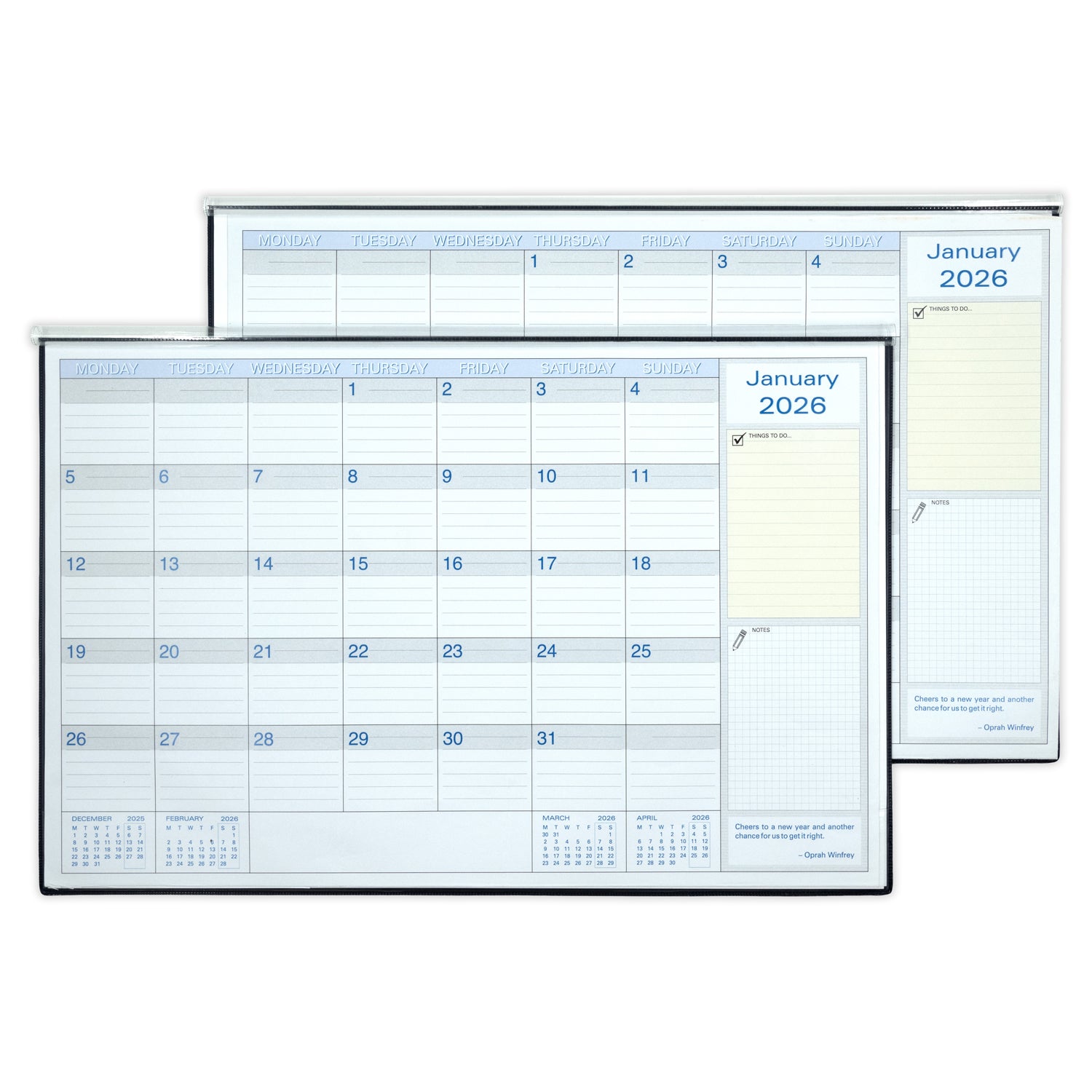
2.Digital content calendar displayed on a laptop screen, modern workspace, neutral colors, time-saving workflow concept, professional marketing style

3.Weekly content planning calendar with color-coded blocks, notebooks and pens, organized creative workflow, bright and clean design

Time-Saving & Productivity Concepts
5.Content creator workspace symbolizing efficiency, clock overlay on calendar, fast workflow, minimal modern style
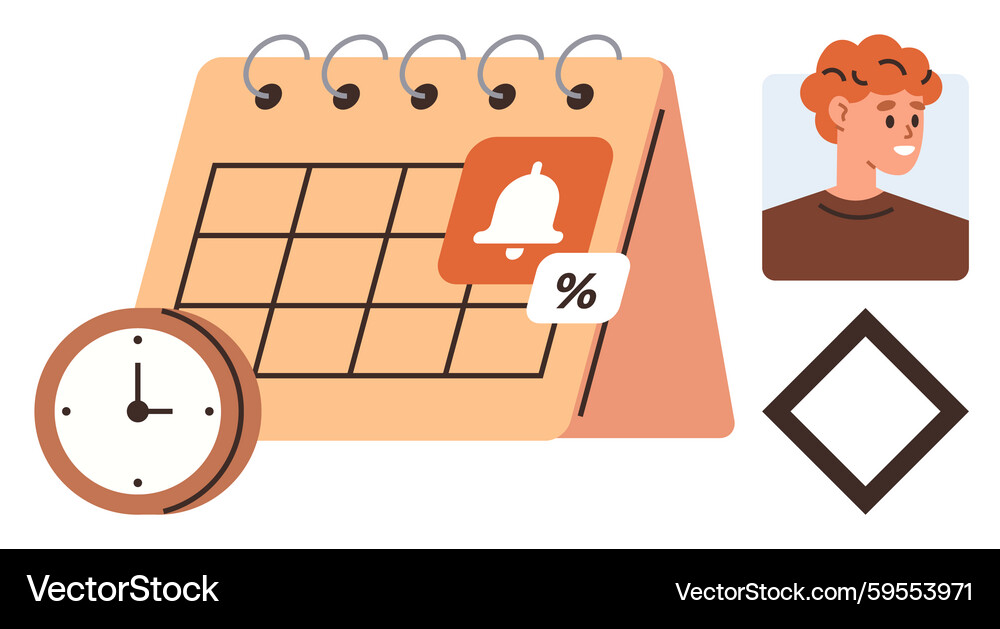
6.Top-down view of a productivity desk showing calendar, timer, checklist, and laptop, focused and efficient mood
25 Easy Prompts for Content Calendar Planning
1. Industry Trends
Stay ahead of the curve by exploring the latest trends in your industry. Write about emerging topics, new technologies, or changes in regulations.
- Prompt Idea: “What are the top 5 trends to watch in [your industry] this year?”
2. Customer FAQs
Answer common questions your customers ask. This will not only help your audience but also improve your SEO by targeting relevant keywords.
- Prompt Idea: “How to [solve a problem]? [Your product/service] can help!”
3. Behind-the-Scenes
Give your audience a sneak peek into your company’s day-to-day operations. This type of content builds transparency and trust.
- Prompt Idea: “A day in the life at [Your Company Name].”
4. How-to Guides
Share valuable knowledge by creating step-by-step guides. People love to learn how to do something new, especially when it’s related to their interests.
- Prompt Idea: “How to use [your product/service] to [achieve a goal].”
5. Customer Success Stories
Showcase your product or service in action by sharing customer success stories. Testimonials and case studies can go a long way in convincing potential customers.
- Prompt Idea: “How [Customer Name] achieved [X result] using [your product].”
6. Seasonal Content
Capitalize on holidays, special events, or seasonal trends. This type of content adds relevance to your posts.
- Prompt Idea: “Celebrate [holiday] with a special offer on [your product].”
7. Product or Service Features
Highlight the benefits and features of your products or services. Use visuals and examples to make your message clear and engaging.
- Prompt Idea: “Why [feature] of [your product] makes it stand out.”
8. Polls and Surveys
Engage your audience by asking for their opinions. This type of content helps build a sense of community and provides valuable feedback.
- Prompt Idea: “What’s your favorite feature of [your product/service]? Take our poll!”
9. Industry News and Updates
Share the latest news or updates related to your industry. Being the first to report on news can position your brand as a thought leader.
- Prompt Idea: “Breaking news: [Industry update]—What it means for your business.”
10. User-Generated Content
Encourage your customers to share their experiences with your product. Feature their content on your platforms.
- Prompt Idea: “We love seeing how you use [your product]! Share your photos with us using [hashtag].”
11. Listicles
People love lists because they’re easy to read and packed with valuable information. Create a list of tips, resources, or tools.
- Prompt Idea: “10 must-know tips for [audience goal].”
12. Product Comparisons
Help your audience make informed decisions by comparing your product to others in the market.
- Prompt Idea: “How does [your product] compare to [competitor]? Let’s break it down.”
13. Collaborations
Partner with influencers, experts, or other brands to create collaborative content. This broadens your reach and attracts new audiences.
- Prompt Idea: “Interview with [Influencer Name]: How [topic] is changing the industry.”
14. Resource Roundups
Curate a list of valuable resources your audience will find useful. This could include blog posts, podcasts, tools, or ebooks.
- Prompt Idea: “Our top 5 favorite tools for [specific task].”
15. Motivational Quotes
Share inspirational quotes that align with your brand’s values. People love to engage with uplifting content.
- Prompt Idea: “Start your week with motivation: ‘[Inspirational Quote].’”
16. Product Launches
If you’re launching a new product or feature, build excitement with sneak peeks, countdowns, and exclusive previews.
- Prompt Idea: “Big news coming soon! Stay tuned for the launch of [product].”
17. Tutorials and Demos
Show your audience exactly how to use your product or service. Video content works great for this.
- Prompt Idea: “Watch how to get the most out of [your product/service].”
18. Challenges
Host a challenge or contest that encourages your audience to participate and engage with your brand.
- Prompt Idea: “Join our [name of challenge] and win amazing prizes!”
19. Customer Reviews
Share positive reviews from your customers. This builds credibility and helps potential customers trust your brand.
- Prompt Idea: “Here’s what our customers are saying about [your product].”
20. Guest Posts
Invite industry experts or influencers to write a guest post for your blog. This not only adds valuable content but also helps you tap into new audiences.
- Prompt Idea: “Guest post by [Expert Name]: The future of [industry].”
21. Case Studies
Dive deep into how your product has solved a specific problem for a customer. Include data and outcomes to back up your claims.
- Prompt Idea: “Case Study: How [Customer Name] increased [X] by using [your product].”
22. “Did You Know?” Posts
Share interesting facts or stats about your industry. This type of content can be eye-catching and shareable.
- Prompt Idea: “Did you know? [Fact or stat about your industry].”
23. Behind-the-Scenes Content
Take your audience behind the scenes of your business. Share your workspace, creative process, or team-building activities.
- Prompt Idea: “Take a tour of our office and meet the team behind [your product].”
24. Infographics
Use visuals to present complex data or information in an easy-to-understand format. Infographics are highly shareable and can drive engagement.
- Prompt Idea: “Check out our infographic on [topic].”
25. Weekly or Monthly Recaps
Summarize your content for the week or month. This keeps your audience in the loop and provides them with a quick, digestible roundup.
- Prompt Idea: “Here’s what you missed this week on our blog.”
Conclusion: Keep Your Content Calendar On Track
Now that you have 25 content prompts to guide your content calendar, you’re well-equipped to plan and create engaging content that resonates with your audience. By incorporating a mix of evergreen topics, trending content, and seasonal pieces, you’ll keep your content fresh, relevant, and valuable.
Remember, consistency is key, but that doesn’t mean you need to reinvent the wheel every time. Use these prompts to streamline your content creation process and ensure that every post adds value to your brand.
Call to Action: Ready to get started with your content calendar? Download our free content calendar template today and take the first step toward a more organized and successful content strategy!
❓ Frequently Asked Questions (FAQ)
1. What is a content calendar and why is it important?
A content calendar is a planning tool that helps you organize what content you will publish, when, and where. It’s important because it saves time, keeps your content consistent, and prevents last-minute stress or missed publishing dates.
2. How do content calendar prompts save time?
Content calendar prompts remove the guesswork. Instead of starting from scratch, you answer simple questions that guide your planning. This speeds up idea generation, improves focus, and helps you plan weeks or months of content in one session.
3. Who should use content calendar planning prompts?
Anyone who creates content can benefit, including:
Bloggers
Content creators
Social media managers
Small business owners
Freelancers and marketers
If you publish content regularly, prompts make planning much easier.
4. How often should I plan my content calendar?
Most creators plan:
Weekly for flexibility
Monthly for consistency
Quarterly for long-term strategy
Using prompts allows you to plan faster, even if you choose a longer timeframe.
5. Can beginners use these content calendar prompts?
Yes. These prompts are beginner-friendly and don’t require marketing experience. They are designed to guide your thinking step by step, making content planning simple even if you’re just starting out.
6. Do I need special tools to use a content calendar?
No special tools are required. You can use:
Google Sheets
Notion
Trello
A simple notebook
The prompts work with any tool you prefer.
7. Are these prompts suitable for SEO content?
Absolutely. Many prompts focus on:
Keyword targeting
Search intent
Content gaps
Evergreen topics
This helps you plan content that performs well on search engines.
8. Can I use the same content calendar for blogs and social media?
Yes. A good content calendar can cover blogs, social media posts, emails, and even videos. You can repurpose one idea across multiple platforms using the same planning prompts.
9. How far ahead should I plan content?
Ideally, plan at least 2–4 weeks ahead. This gives you enough buffer to create quality content while staying flexible for trends or updates.
10. What’s the biggest mistake people make with content calendars?
The most common mistake is over-planning without execution. Keep your calendar realistic. Prompts help you plan efficiently, but consistency in publishing is what truly brings results.