
20 High-Impact Prompts for Technical Documentation Writing
Why Technical Documentation Often Fails (and How You Can Fix It)
The product is solid, the system works as expected, and the features are powerful—but users still get confused. Support tickets keep coming. Questions repeat themselves. And when you look closely, the issue isn’t the software. It’s the documentation.
Technical documentation is rarely hard because of missing knowledge. It’s hard because explaining complex ideas in a simple, usable way takes structure and intention. That’s where 20 High-Impact Prompts for Technical Documentation Writing make a real difference.
Instead of staring at a blank page or writing walls of text that no one reads, you use prompts to guide your thinking, your structure, and your tone. You stop guessing what to include and start writing with purpose.

What Are High-Impact Prompts for Technical Documentation Writing?
High-impact prompts are carefully designed instructions that help you produce documentation that is:
- Clear instead of confusing
- User-focused instead of system-focused
- Actionable instead of theoretical
Each prompt pushes you to think about the reader first: what they want to do, what they might misunderstand, and what could go wrong.
When you rely on 20 high-impact prompts for technical documentation writing, you create content that answers real questions before users even ask them.
Why Prompt-Based Writing Works So Well for Documentation
Documentation is not creative writing. It’s problem-solving.
Prompts work because they:
- Reduce cognitive load
- Enforce consistent structure
- Prevent missing critical information
- Speed up the writing process
Instead of rewriting the same sections again and again, you follow a repeatable system that scales across products, teams, and updates.
This approach is especially effective if you:
- Write API documentation
- Maintain SaaS knowledge bases
- Create internal technical guides
- Support open-source projects
How to Use These Prompts Correctly
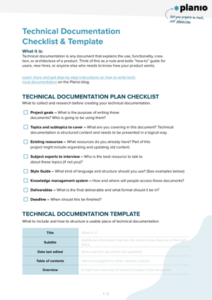
Before applying any prompt, you need clarity on three things:
- Who you are writing for (beginner, intermediate, expert)
- What they want to achieve (install, configure, fix, optimize)
- Where they usually get stuck
Once those are clear, prompts become powerful tools instead of generic suggestions.
You can reuse the same prompt across multiple documents by simply changing the context.

The 20 High-Impact Prompts for Technical Documentation Writing
Getting Started & Overview Prompts
- Explain this product to a first-time user, focusing on the problem it solves and when it should be used.
- Write a high-level overview of the system architecture using simple language and clear analogies.
- List and define all key terms used in this documentation for readers with no prior background.
These prompts ensure your documentation starts strong instead of overwhelming users on the first page.
Installation & Setup Prompts
- Create a step-by-step installation guide, including prerequisites, supported environments, and verification steps.
- List common setup mistakes, explain why they happen, and show how to fix them.
- Describe the default configuration and explain when users should customize it.
Clear setup documentation reduces frustration and prevents early abandonment.
Usage & Workflow Prompts
- Write a task-based guide that shows how to complete the most common action from start to finish.
- Provide real-world usage examples, including both correct and incorrect implementations.
- Explain each step in the workflow and what the system does internally at that stage.
These prompts help users understand not just what to do, but why it works.
 API & Reference Documentation Prompts
 API & Reference Documentation Prompts
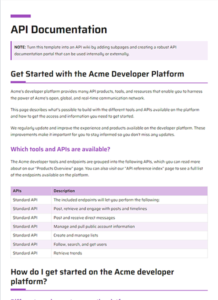
- Document this API endpoint with purpose, parameters, example requests, and sample responses.
- Create a table explaining every parameter, including type, required status, and practical usage notes.
- Explain the authentication process step by step, including security considerations.
API documentation benefits the most from structured, prompt-driven writing.
Troubleshooting & Maintenance Prompts
- Explain each error message in plain language and provide clear, actionable solutions.
- Write a troubleshooting guide that starts from symptoms rather than technical causes.
- Describe how to safely maintain and update the system over time.
Good troubleshooting documentation can dramatically reduce support tickets.
Advanced & Scaling Prompts
- Explain advanced configuration options and when they should or should not be used.
- Document performance optimization strategies, including trade-offs and risks.
- Describe system limitations and recommended workarounds.
These prompts help advanced users without overwhelming beginners.
User Support & Updates Prompts
- Generate an FAQ section based on real user confusion points and recurring questions.
- Write release notes that focus on user impact instead of internal technical changes.
Clear updates build trust and keep users engaged with your product.
Using Tables to Improve Technical Documentation Clarity
Tables are one of the easiest ways to improve readability and SEO at the same time.
Here’s how prompts help structure information effectively:
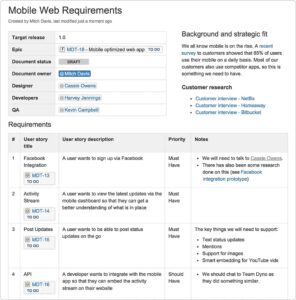
| Documentation Area | Purpose | Ideal For |
|---|---|---|
| Setup Guides | Reduce onboarding friction | New users |
| API References | Ensure accuracy and clarity | Developers |
| Troubleshooting | Minimize repeated questions | Support teams |
| Release Notes | Explain changes clearly | Existing users |
When users can scan information quickly, they stay longer and understand more.
SEO Benefits of High-Impact Documentation Prompts
Search engines reward documentation that solves real problems.
By using 20 high-impact prompts for technical documentation writing, you naturally:
- Improve content structure
- Increase dwell time
- Reduce bounce rates
- Rank for long-tail technical queries
Instead of forcing keywords into your text, they appear organically because your content matches user intent.
SEO becomes a result of clarity, not a separate task.
Frequently Asked Questions About 20 High-Impact Prompts for Technical Documentation Writing
What makes these prompts “high-impact”?
They focus on user outcomes, not just explanations. Each prompt forces clarity, context, and usefulness.
Can beginners use these prompts effectively?
Yes. Prompts remove uncertainty and guide beginners through proven documentation structures.
Are these prompts suitable for internal documentation?
Absolutely. Internal teams benefit from the same clarity as external users.
How often should technical documentation be updated?
Any time features change, errors evolve, or users struggle with the same issues repeatedly.
Can these prompts reduce customer support workload?
Yes. Clear documentation answers questions before users need to ask them.
Conclusion: Better Prompts Lead to Better Documentation
Technical documentation doesn’t have to feel overwhelming or repetitive. When you rely on 20 high-impact prompts for technical documentation writing, you replace guesswork with clarity and speed.
You write less fluff, explain more clearly, and create documentation that actually serves its purpose.
Call to Action
Choose one prompt from this list today and apply it to your existing documentation. Watch how quickly clarity improves.
If you found this guide useful, bookmark it, share it with your team, and start building documentation your users will actually appreciate.