Renaissance Portrait Prompt Oil Painting Style: How You Can Create Timeless AI Masterpieces
Renaissance Portrait Prompt Oil Painting Style: How You Can Create Timeless AI Masterpieces
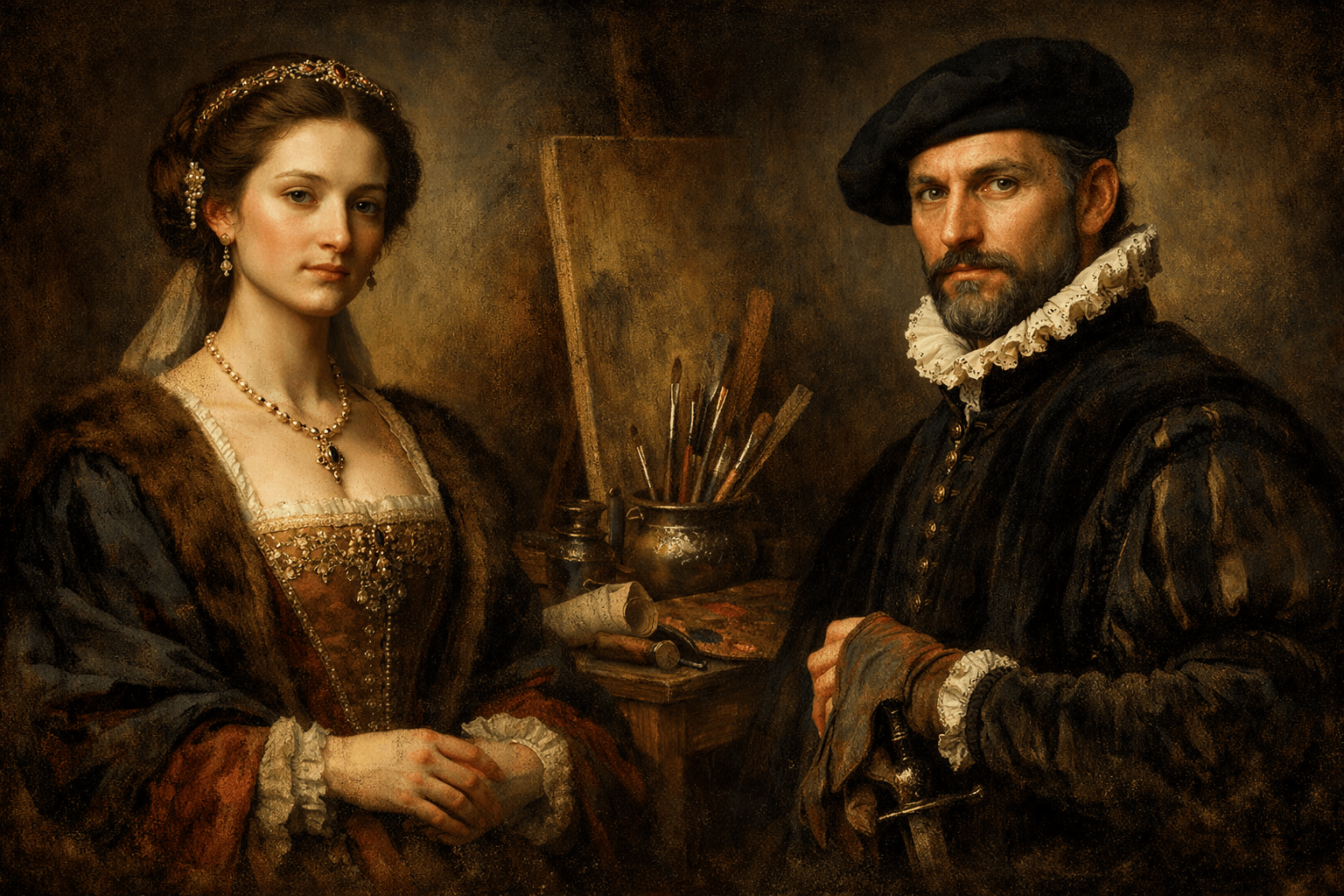
The moment you look at a Renaissance portrait, something happens inside you. The calm gaze, the soft light touching the face, the quiet confidence frozen in time — it feels human, intimate, almost alive. You might think this level of artistry belongs only to history museums and master painters. Today, it doesn’t. With the right renaissance portrait AI prompt, you can recreate that timeless oil painting style using modern AI tools, even if you’ve never studied art.
This guide shows you exactly how to do that — step by step, clearly, and without guesswork.
Why Renaissance Portraits Still Captivate You
Renaissance portraits were never just about faces. They were about identity, status, emotion, and subtle storytelling. Artists used oil paints to layer color, depth, and light in a way that made skin feel real and expressions feel personal.

When you use a renaissance portrait prompt oil painting style, you are not copying old art. You are translating those artistic principles into language that AI understands — and that’s where the magic happens.
What Is a Renaissance Portrait Prompt in Oil Painting Style?
A renaissance portrait AI prompt is a carefully written description that tells an AI image generator to create a portrait inspired by Renaissance-era oil paintings.
Instead of vague instructions, you guide the AI using:
- Historical references
- Artistic techniques
- Emotional cues
- Lighting and texture details
The stronger your prompt, the more convincing and museum-like the result becomes.
Key Characteristics of Renaissance Oil Painting Portraits
Before writing your prompt, you need to understand what defines this style.
Visual Elements You Should Always Include
- Soft, natural lighting (often from one side)
- Realistic skin tones with gentle transitions
- Dark or neutral backgrounds
- Calm, composed facial expressions
- Detailed fabrics like velvet, linen, or silk
Emotional Tone
Renaissance portraits rarely show exaggerated emotion. Instead, they express:
- Dignity
- Intelligence
- Quiet confidence
- Inner depth
Your prompt should reflect this emotional restraint.
How to Structure a Renaissance Portrait AI Prompt
Think of your prompt like a recipe. Each ingredient matters.
1. Subject Description
Describe the person clearly:
- Age and gender
- Facial expression
- Pose and posture
Example:
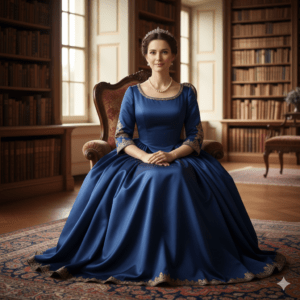
- “A noble woman in her early thirties, calm expression, seated posture”
2. Artistic Style and Medium
This is where you lock in the oil painting look:
- Renaissance style
- Classical oil painting
- Hand-painted texture
3. Lighting and Mood
Lighting defines realism:
- Soft side lighting
- Chiaroscuro shadows
- Warm ambient tones
4. Texture and Detail
Oil painting is tactile:
- Canvas texture
- Visible brush strokes
- Layered paint depth
Renaissance Portrait Prompt Oil Painting Style – Ingredient Table
| Prompt Element | Purpose | Example |
|---|---|---|
| Subject | Defines the character | Renaissance nobleman |
| Style | Locks the era | Renaissance oil painting |
| Lighting | Adds realism | Soft side light, chiaroscuro |
| Mood | Sets emotion | Calm, dignified |
| Texture | Enhances authenticity | Canvas texture, oil brush strokes |
Using this structure helps you avoid flat or artificial-looking results.
Example Renaissance Portrait AI Prompts
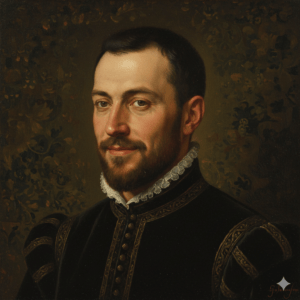
Classic Renaissance Noble Portrait
“A highly detailed renaissance portrait of a noble man, painted in classical oil painting style, calm expression, soft side lighting, dark muted background, realistic skin tones, visible brush strokes, museum-quality artwork”
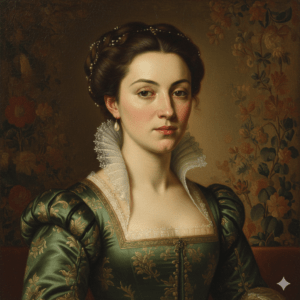
Female Renaissance Oil Painting Portrait
“Renaissance portrait of an elegant woman wearing historical silk clothing, oil painting style, gentle lighting, warm tones, realistic facial details, subtle shadows, canvas texture”
Dramatic Renaissance Male Portrait
“Renaissance-style oil painting portrait of a serious man, chiaroscuro lighting, dark background, detailed fabric textures, classical composition, hand-painted look”
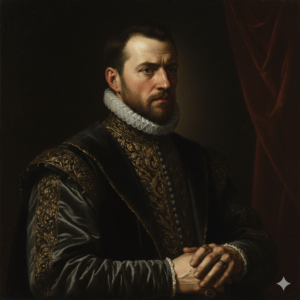
You can adjust age, emotion, or clothing while keeping the structure intact.
Advanced Tips to Improve Renaissance AI Portrait Results
Once you master the basics, small refinements make a big difference.
Use Artistic Language, Not Technical Noise
Avoid modern or digital terms. Instead, focus on:
- Painterly realism
- Classical composition
- Museum-quality artwork
Control What the AI Should Avoid
If your tool allows it, exclude:
- Cartoon styles
- Modern clothing
- Digital illustration effects
This keeps your result historically consistent.
Common Mistakes You Should Avoid
Even good prompts can fail if you overlook these issues.
Overloading the Prompt
Too many styles confuse the AI. Stick to one clear artistic direction.
Mixing Time Periods
Modern fashion, modern lighting, or futuristic terms instantly break the Renaissance illusion.
Ignoring Emotion
A technically correct portrait without emotional direction feels empty. Always guide the mood.
Best Use Cases for Renaissance Portrait AI Art
You can use this style for:
- Blog featured images
- Artistic projects
- NFT collections
- Book covers
- Historical character concepts
The oil painting style adds authority and elegance wherever it appears.
SEO Tips When Publishing Renaissance AI Portrait Content
If you plan to share your images or prompts online, optimize them properly.
Smart Keyword Placement
Use phrases like:
- renaissance portrait AI prompt
- renaissance portrait oil painting style
- classical oil painting AI
Include them naturally in:
- Titles
- Headings
- Image alt text
Content Presentation
- Break text into short sections
- Use bullet points
- Add tables for clarity
This improves both readability and search visibility.
Frequently Asked Questions
What is the best renaissance portrait AI prompt for oil painting style?
The best prompt clearly defines the subject, uses Renaissance oil painting keywords, includes soft lighting, and avoids modern elements.
Can AI really create realistic Renaissance-style oil portraits?
Yes. With detailed prompts, AI can produce results that closely resemble classical oil paintings.
How long should a renaissance portrait AI prompt be?
Usually between 20 and 60 words. Clarity matters more than length.
Which words improve Renaissance portrait realism?
Words like “oil painting,” “renaissance style,” “canvas texture,” and “chiaroscuro lighting” significantly improve results.
Conclusion: You Are Reviving History Through Prompts
When you write a renaissance portrait prompt oil painting style, you are doing more than generating an image. You are translating centuries of artistic knowledge into modern creativity. With the right structure, emotional direction, and attention to detail, your AI-generated portraits can feel timeless, elegant, and deeply human.
Your Next Step
Start experimenting today. Write one prompt, refine it, adjust the mood, and compare results. If this guide helped you, share it, bookmark it, or leave a comment with your favorite Renaissance portrait prompt — your creativity deserves to be seen.