
Old Money Aesthetic Portrait Prompt for Timeless AI Elegance
Old Money Aesthetic Portrait Prompt: How You Can Create Timeless, Elegant AI Portraits
There is something quietly powerful about the old money aesthetic. It doesn’t shout. It doesn’t chase trends. It simply exists with confidence, history, and restraint. When you look at an old money–style portrait, you feel tradition, legacy, and calm authority all at once.
If you’ve ever wanted your AI-generated portraits to reflect that same timeless elegance, you’re in the right place. In this guide, you’ll learn exactly how to craft an old money aesthetic portrait prompt that produces refined, realistic, and emotionally rich results—without overdoing it or falling into modern clichés.
This article is written for you: whether you’re a creator, a brand builder, or someone who simply appreciates understated luxury.
What Is the Old Money Aesthetic in Portraits?
The old money aesthetic is rooted in heritage rather than display. In portrait art, it represents generational wealth, cultural refinement, and an effortless sense of belonging.
Unlike flashy luxury visuals, old money portraits rely on subtle signals:
- Calm expressions instead of exaggerated poses
- Tailored clothing instead of logo-heavy fashion
- Neutral tones instead of bold, trendy colors
When you use an old money portrait AI prompt, your goal is not to impress instantly. Your goal is to suggest depth, history, and quiet confidence.
Why Old Money Aesthetic Portrait Prompts Work So Well with AI
AI image generation thrives on detail, mood, and atmosphere. The old money aesthetic fits perfectly because it is built on controlled elements rather than chaos.
When you guide AI correctly, you gain:
- Complete control over lighting, mood, and composition
- The ability to recreate elite environments without real-world access
- Consistent visual identity across portraits
More importantly, you avoid the randomness that often makes AI images feel artificial. Old money style rewards discipline, and AI responds well to that structure.
The Core Elements of an Old Money Aesthetic Portrait Prompt
Before writing a prompt, you need to understand the ingredients that define the look. Every successful old money portrait prompt includes the following components.
1. The Subject
Your subject should appear composed and self-assured.
- Neutral facial expression
- Relaxed posture
- Natural confidence rather than dramatic emotion
Avoid exaggerated beauty standards. Imperfection feels more authentic here.
2. Clothing and Styling
Wardrobe choices signal wealth without announcing it.
- Tailored suits, blazers, wool coats
- Cashmere sweaters, silk blouses, pearl accessories
- Muted colors like beige, navy, ivory, charcoal, olive
Logos weaken the aesthetic. Texture and fit matter more than branding.
3. Environment
The setting should feel inherited, not rented.
- Classical libraries
- Old European interiors
- Private estates, manors, or heritage homes
Minimalism is key. Space communicates wealth better than clutter.
4. Lighting
Lighting makes or breaks the illusion.
- Soft window light
- Natural daylight
- Gentle shadows
Harsh lighting feels modern and commercial. Old money lighting feels painterly.
5. Mood and Atmosphere
Your portrait should feel calm, reserved, and timeless.
- Quiet confidence
- Emotional restraint
- Elegant stillness
This is where most prompts fail—by trying too hard.
How to Write an Old Money Aesthetic Portrait Prompt (Step by Step)
To get consistent results, follow this simple structure when writing your prompt.
Step 1: Describe the Subject Clearly
Mention age range, expression, and demeanor.
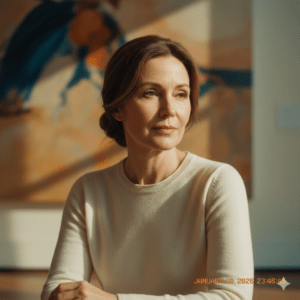
“A composed middle-aged woman with a calm expression and refined posture…”
Step 2: Define Clothing and Textures
Focus on materials, not trends.
“Wearing a tailored wool blazer in muted beige, silk blouse, minimal jewelry…”
Step 3: Set the Environment
Anchor the image in heritage.
“Standing inside a classic European library with dark wood shelves…”
Step 4: Control Lighting and Camera Style
This adds realism.
“Soft natural window light, shallow depth of field, 50mm portrait lens…”
Step 5: Lock in the Mood
Tell the AI how it should feel.
“Timeless, understated luxury, old money aesthetic, realistic portrait…”
Example Old Money Aesthetic Portrait AI Prompt
Here’s a complete prompt you can adapt:
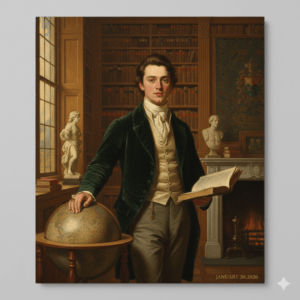
A refined young man with a calm, confident expression, wearing a tailored navy suit and cashmere sweater, neutral tones, no visible logos. Standing in a classic European library with dark wood panels and antique furniture. Soft natural window light, gentle shadows, shallow depth of field, realistic portrait photography, timeless old money aesthetic, understated luxury, high detail, cinematic realism.

This structure works because it balances detail with restraint.
Common Mistakes You Should Avoid
Even small errors can break the illusion. Watch out for these mistakes when creating your old money portrait AI prompt:
- Using flashy jewelry or modern streetwear
- Over-saturated colors or neon tones
- Dramatic facial expressions
- Harsh studio lighting
- Overloading the prompt with unnecessary adjectives
Old money style is about knowing when to stop.
Old Money Aesthetic “Recipe” Table (Prompt Ingredients)
| Ingredient | What to Include | Why It Matters |
|---|---|---|
| Subject | Calm, confident individual | Signals authority |
| Clothing | Tailored, neutral fabrics | Communicates refinement |
| Setting | Classical, inherited spaces | Suggests legacy |
| Lighting | Soft natural light | Timeless realism |
| Mood | Reserved elegance | Defines old money identity |
Use this table as a checklist before generating any image.
Why Old Money Portraits Are Perfect for Personal Branding
If you care about how people perceive you online, old money portraits offer a strategic advantage. They project:
- Trust
- Stability
- Taste
- Confidence
Whether you’re building a brand, a social profile, or editorial visuals, this aesthetic communicates value without explanation.
Frequently Asked Questions About Old Money Aesthetic Portrait Prompts
What makes an old money portrait AI prompt effective?
Clarity, restraint, and attention to mood. The fewer flashy elements you use, the stronger the result.
Can AI really capture the old money aesthetic?
Yes—when you guide it with precise details about lighting, clothing, and atmosphere.
What colors work best for old money portraits?
Neutral tones like beige, ivory, navy, olive, and charcoal consistently perform best.
Is this style suitable for both men and women?
Absolutely. Old money aesthetics are gender-neutral and rely on posture, clothing, and mood.
Conclusion: Why Old Money Aesthetic Portrait Prompts Never Go Out of Style
Trends fade. Filters change. But elegance rooted in tradition remains powerful. When you master the old money aesthetic portrait prompt, you gain more than beautiful images—you gain control over perception, mood, and identity.
AI gives you the tools, but your taste gives the result meaning.
Your Next Step
Now it’s your turn. Take one of the prompts from this guide, customize it, and experiment. Save your best results, refine your wording, and build a visual style that feels timeless.
If you found this guide helpful, bookmark it, share it, or test your first old money portrait prompt today. Quiet luxury starts with intention.