
How to Create a Cinematic Portrait That Feels Deep, Stylish, and Timeless
A truly cinematic portrait doesn’t just show a face — it tells a quiet story. It feels intentional, emotional, and immune to trends. Whether you’re creating portraits with a camera or generating them with AI, the same cinematic principles apply. When done right, your portrait feels deep, stylish, and timeless, as if it belongs to a film frame rather than a random snapshot.
A single well-written prompt can do more than generate an image. It can tell a story, set a mood, and pull the viewer into a quiet emotional moment. When you work with a prompt like the one you provided focused on reflection, soft light, and restrained elegance you are not just creating a portrait. You are crafting a cinematic scene.
In this guide, you’ll learn how to turn that exact prompt into a powerful visual concept, why each detail matters, and how you can reuse the same structure to create portraits that look professional, intentional, and emotionally rich. Whether you are an AI image creator, a photographer, or a content creator, this breakdown will help you get consistent, high-quality results.
Introspective Window Portrait

Why Cinematic Portraits Work So Well
Cinematic portraits feel different because they slow the viewer down. Instead of shouting for attention with extreme colors or exaggerated poses, they rely on atmosphere, light, and subtle emotion.
When you use a cinematic approach, you are:
- Guiding the viewer’s eye with controlled lighting
- Creating depth through shadows and reflections
- Suggesting a story instead of explaining it directly
This is exactly why cinematic portraits perform so well on blogs, landing pages, social media, and personal branding visuals. They feel premium, thoughtful, and human.
Understanding the Core Concept of the Prompt
At its heart, your prompt is built around introspection. Every element supports that idea.
Let’s break it down so you understand why it works—not just how.
Timeless Studio Portrait

1. The Close-Up Perspective
A close-up portrait immediately creates intimacy. You’re inviting the viewer into the subject’s personal space.
This works because:
- Facial expressions become the emotional anchor
- Small lighting details feel more impactful
- The image feels personal rather than distant
When you use close-up framing, you encourage viewers to pause and connect.
You My Like :
Cinematic portrait photography techniques
Learn how professional photographers use lighting, framing, and mood to create cinematic portraits.How lighting affects portrait photography
A detailed guide explaining how light direction and contrast shape emotion in portraits.Timeless portrait photography styles
Discover why simple composition and neutral styling help portraits stay relevant for years.
Styling: Minimalism with Intent
The Power of a Black Turtleneck and Dark Blazer
The clothing choice in your prompt is not random. A black turtleneck layered under a fitted dark blazer signals confidence, elegance, and restraint.
This combination works well because:
- Neutral tones avoid visual noise
- Clean lines enhance a cinematic feel
- The outfit feels timeless rather than trendy
For best results, keep styling simple. When clothes are understated, emotion takes center stage.
Moody Low-Key Portrait

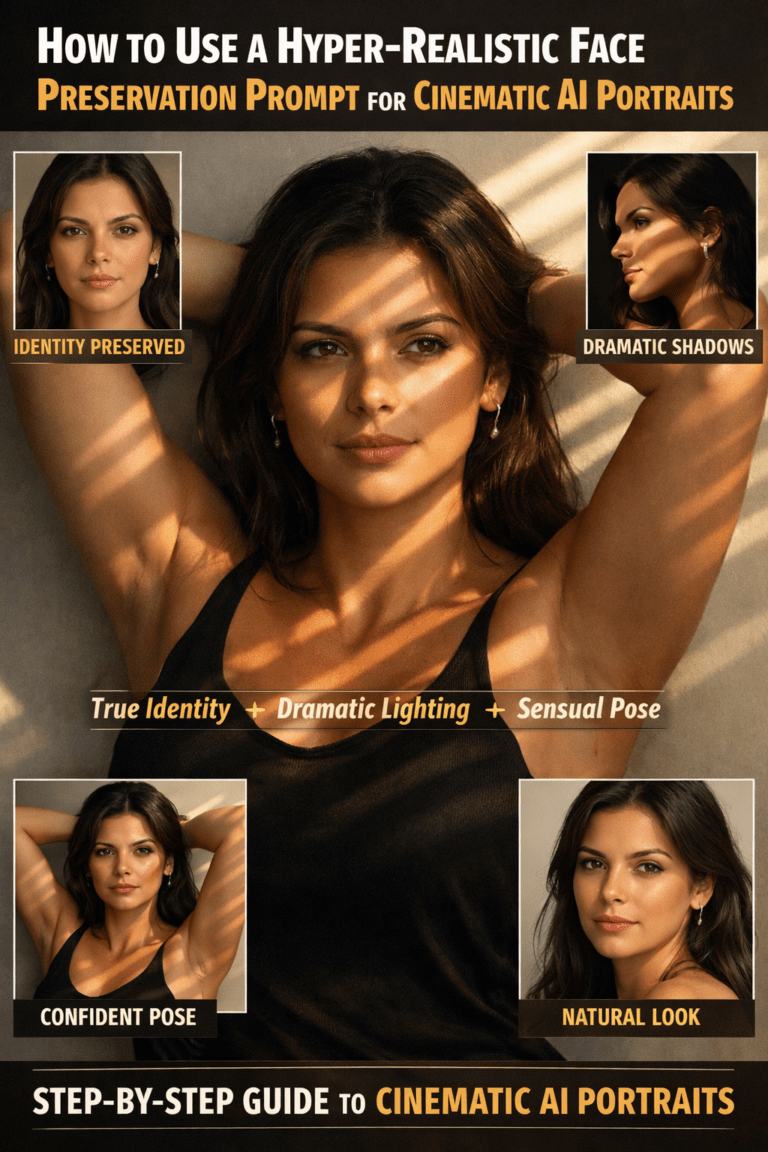
Lighting: Soft, Natural, and Directional
Lighting is where cinematic portraits either succeed or fail.
In your prompt, light comes from a large glass window and hits one side of the face. This creates contrast without harshness.
Why This Lighting Choice Matters
- Soft daylight keeps skin texture realistic
- Side lighting adds depth and dimension
- Gentle shadows create mood without drama overload
This setup mimics natural film lighting, which is why the result feels cinematic rather than artificial.
Pro tip: Always specify the light source and direction in your prompt. Vague lighting leads to flat results.
Editorial Fashion Portrait

The Role of Reflection in Visual Storytelling
How to Make Your Portrait Feel Truly Timeless
Timelessness comes from restraint.
Avoid:
Over-editing skin
Extreme color effects
Trend-driven styling
Excessive props
Instead, focus on:
Emotion
Light
Simplicity
Story
If your portrait could exist 10 years ago — and still feel relevant 10 years from now — you’ve succeeded.
Glass as a Narrative Tool
The reflection in the window is one of the strongest elements in your prompt. It adds symbolism without words.
Reflections often suggest:
- Inner conflict
- Self-examination
- Duality between public and private selves
By including a reflection, you give the image emotional weight. The viewer starts asking questions—and that’s exactly what you want.
Background Blur: Let the Subject Breathe
A softly blurred background keeps the focus exactly where it belongs.
This technique:
- Separates the subject from distractions
- Adds a shallow depth-of-field look
- Reinforces a calm, introspective mood
When writing prompts, phrases like “softly blurred background” or “shallow depth of field” help guide the visual hierarchy.
Color Palette: Why Neutral Tones Win
Your prompt leans heavily on neutral tones and soft daylight, and that’s a smart choice.
Neutral palettes:
- Feel cinematic and mature
- Work well across different platforms
- Don’t overpower facial expressions
If your goal is sophistication, avoid overly saturated colors. Subtlety always looks more expensive.
How to Reuse This Prompt Structure for Other Portraits
Once you understand the structure, you can adapt it easily.

Here’s the formula you can reuse:
- Subject description – age, style, posture
- Environment – window, room, urban space
- Lighting direction – soft, natural, side-lit
- Mood keywords – introspective, calm, moody
- Styling details – simple, elegant, neutral
- Cinematic cues – shallow depth, soft focus
Change the setting or emotion, but keep the structure.
Common Mistakes to Avoid
Even strong prompts can fail if you fall into these traps:
- Overloading the prompt with too many styles
- Mixing conflicting lighting descriptions
- Using vague mood words without visual cues
- Ignoring background and environment
Clarity always beats complexity.
SEO Tip: Why This Type of Content Performs Well
Articles built around prompt breakdowns and visual storytelling tend to rank well because they:
- Answer specific creative questions
- Offer practical, reusable value
- Match search intent for AI image creators
When you explain why something works not just what it is—you create content people stay on longer. That boosts engagement, which search engines love.
How You Can Use This Style in Your Own Projects
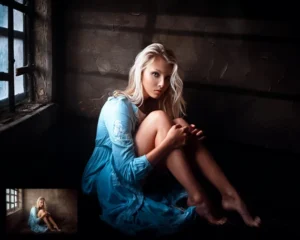
You can apply this cinematic portrait style to:
- Personal branding images
- Website hero sections
- Editorial blog visuals
- Social media storytelling
- AI art portfolios
The key is consistency. Once viewers associate this mood with your work, your visuals become recognizable.
Final Thoughts: Turn Prompts into Visual Stories
A cinematic portrait is not about complexity. It’s about intention. Your prompt succeeds because every detail supports a single emotional direction.
When you write prompts this way, you stop generating random images and start directing scenes.
Your next step
Take this structure, tweak one element at a time, and experiment. Change the mood. Shift the light. Swap the environment. Then compare results.
If you want more breakdowns like this—or advanced prompt frameworks you can reuse—bookmark this page and start building your own cinematic visual language.
Frequently Asked Questions
What is a cinematic portrait?
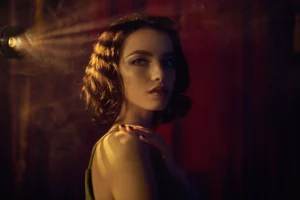
A cinematic portrait is a style of portrait that feels like a frame from a movie. Instead of focusing on perfect lighting and sharp posing, it emphasizes mood, emotion, depth, and storytelling through light, color, composition, and expression.
What makes a portrait feel deep and emotional?
Depth comes from shadows, subtle lighting, natural expressions, and controlled composition. A portrait feels emotional when the subject looks thoughtful, relaxed, or introspective rather than posed or exaggerated.
Can cinematic portraits be created with AI?
Yes. AI can generate cinematic portraits when prompts clearly describe lighting, mood, color grading, composition, and realism. The more intentional the prompt, the more cinematic and timeless the result.
What lighting works best for cinematic portraits?
Soft directional lighting works best, especially window light or side lighting. Low-key lighting with gentle shadows adds depth and drama, which is essential for a cinematic feel.
Do cinematic portraits need dark or moody lighting?
Not always. While moody lighting is common, cinematic portraits can also be bright and soft. The key is contrast, direction, and atmosphere — not darkness.
What colors make a portrait look timeless?
Neutral and muted colors such as black, gray, beige, navy, and soft earth tones age better than highly saturated colors. Timeless portraits avoid trendy color filters.
How important is background in a cinematic portrait?
The background should support the subject, not distract from them. Simple backgrounds, soft gradients, or minimal interiors help maintain focus and enhance depth.
What camera or lens is best for cinematic portraits?
A standard or short telephoto lens (such as 50mm or 85mm equivalent) is ideal. A shallow depth of field helps separate the subject from the background and adds a film-like quality.
Why do cinematic portraits avoid perfect poses?
Perfect poses feel staged and artificial. Cinematic portraits aim to feel natural and human, capturing subtle moments that suggest emotion or story.
How do I keep my portraits from looking trendy?
Avoid over-editing, extreme color grading, heavy effects, and fashion trends. Focus on light, emotion, and simplicity — these elements never go out of style.