
20 Creative Prompts for Brainstorming New Product Ideas
20 Creative Prompts for Brainstorming New Product Ideas
When it comes to creating innovative products, the process often starts with a single idea. But where do you find that spark of inspiration? Brainstorming is a powerful tool that can help you generate product ideas that stand out in a crowded market. Whether you’re an entrepreneur looking to launch your next big product or a business owner seeking to innovate, these 20 creative prompts will guide you through the brainstorming process and help you come up with unique and marketable product ideas.
Why Product Brainstorming Is Essential
Before diving into the prompts, it’s important to understand why brainstorming is such a vital part of the product development process. At its core, brainstorming helps you unlock new ideas, solve problems creatively, and uncover opportunities that others might overlook. This process often leads to innovative solutions that disrupt industries or fulfill unmet customer needs. But to do this effectively, you need a clear strategy—something that these creative prompts provide.
So, how can you kickstart your product brainstorming session? Let’s dive into 20 creative prompts that will help you generate ideas with potential.
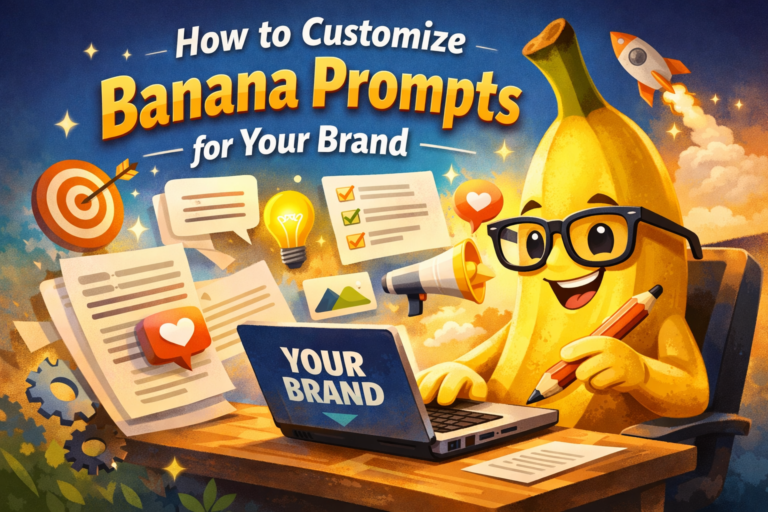
In this article, you’ll find 20 Creative Prompts for Brainstorming New Product Ideas, each paired with a powerful image prompt you can use to spark imagination, guide ideation sessions, or illustrate your blog content.
1. Identify Common Pain Points
One of the best places to start is by thinking about everyday frustrations. Think about the common problems your target audience faces. Can you create a product that solves one of these issues?
- Example: Customers complain about the lack of organization in their daily lives. Can you create a more efficient way to help them organize their schedules or tasks?
2. Leverage New Technology
The rapid advancement of technology presents new opportunities for innovative products. What new tools, platforms, or technologies can you incorporate into a product to make it more useful, efficient, or fun?
- Example: How could AI or machine learning be applied to improve a current product or create a new one?

3. Look to Other Industries
Sometimes, inspiration doesn’t come from within your own field. Take a look at products in other industries for inspiration. How can you adapt or innovate based on what’s already been successful in another market?
- Example: Consider the success of smart home products. How can you integrate technology into products in industries like healthcare, fitness, or education?

4. Improve an Existing Product
Not every new product needs to be completely revolutionary. In fact, many successful products are simply improved versions of what already exists. What products can you enhance or refine to make them more effective?
- Example: Look at household appliances. Can you make them smarter, more energy-efficient, or easier to use?
5. Think About Sustainability
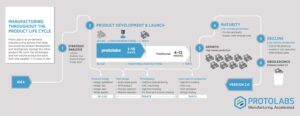
Sustainability is a hot topic, and consumers are increasingly interested in eco-friendly products. What could you create that addresses environmental concerns while still offering high-quality performance?
- Example: A reusable alternative to single-use plastic products.
6. Incorporate Consumer Feedback
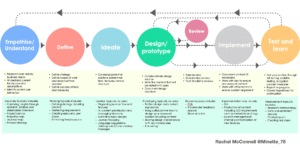
Sometimes, the best way to come up with new ideas is to ask your customers. What feedback have they given that you can turn into a new product or service?
- Example: A clothing brand may receive feedback about the lack of stylish, comfortable, and affordable office wear. This feedback could lead to the development of a new clothing line.
7. Solve Everyday Problems
Think about your own daily routine—what products do you use that could be improved? Often, small but impactful innovations come from improving the mundane tasks people do every day.
- Example: A product that improves the experience of doing household chores, such as an all-in-one cleaning tool.

8. Create a Digital Product
With the rise of digital technology, there’s never been a better time to create a digital product. What services or tools could you offer through an app or online platform?
- Example: A subscription-based app that helps people track their personal growth and mental health.
9. Look to Nature for Inspiration
Nature has long been a source of inspiration for design and innovation. By studying natural processes, you can create sustainable, efficient products that mimic the simplicity and functionality of nature.
- Example: Bio-inspired designs that mimic the efficiency of natural systems (like self-healing materials or structures based on the Fibonacci sequence).
10. Simplify a Complex Process
People are often looking for ways to simplify complex tasks or processes. Can you create a product that streamlines something that’s typically time-consuming or difficult?
- Example: An app that simplifies the process of meal planning and grocery shopping.
11. Think About Customization
Consumers love personalized products. How can you create a product that allows for customization based on the user’s needs or preferences?
- Example: Customizable skincare products that cater to individual skin types or concerns.
12. Consider Changing Lifestyles
Lifestyles are constantly changing. People are working from home, exercising more, and adopting new hobbies. What products can you create that cater to these lifestyle shifts?
- Example: A home fitness product designed for small spaces or apartments.
13. Focus on Health and Wellness
Health and wellness continue to be a growing market. Think about ways to improve physical, mental, and emotional well-being through new products.
- Example: A product that helps with sleep improvement, like a smart pillow that tracks sleep patterns and adjusts temperature for optimal rest.
14. Design for Convenience
People value convenience. Can you create a product that saves time, makes life easier, or enhances convenience in some way?
- Example: A tool or gadget that automates an everyday task, like a self-cleaning water bottle or a smart refrigerator.
15. Target an Underserved Market
Not every market is saturated with options. Can you identify a niche or underserved market where demand is high but supply is limited?
- Example: Products tailored specifically for elderly care or products for people with disabilities.
16. Reinvent an Old Idea
Look to the past for inspiration. There are often untapped opportunities in products that were once popular but have since faded from the spotlight.
- Example: A modern version of a classic product, like a contemporary take on a vintage kitchen appliance.
17. Focus on Experiences Rather Than Products
Sometimes, the best products aren’t physical items at all. Can you create an experience that enhances people’s lives?
- Example: A unique service or an immersive, experience-based event.
18. Collaborate with Other Creatives
Creativity can be contagious. Working with others—whether it’s a team, another brand, or even your customers—can lead to fresh perspectives and ideas.
- Example: Partnering with a popular artist or influencer to create a limited-edition product.
19. Incorporate Gamification
Gamification is a trend that has proven to be effective in many industries. Can you create a product that incorporates game-like elements to make it more engaging?
- Example: A fitness app that uses gamification to reward users for achieving their goals.
20. Focus on Luxury and Exclusivity
Sometimes, creating a high-end or exclusive product is the way to go. Can you design something that caters to a luxury market or offers an exclusive experience?
- Example: A limited-edition product line that appeals to collectors or connoisseurs.
Conclusion: Transform Your Ideas Into Reality
Brainstorming new product ideas is an exciting journey, but it’s just the beginning. Once you’ve gathered ideas using these 20 creative prompts, the next step is to validate and develop them. Consider market research, prototyping, and gathering feedback from potential users to ensure your product resonates with your target audience. By focusing on the right prompts and taking action, you can turn a simple idea into a product that changes the game.
Call to Action: Don’t let your ideas sit idle—start brainstorming today! Which of these 20 creative prompts sparks inspiration for your next product? Share your thoughts and ideas in the comments below, and let’s continue the conversation!
This article is designed to not only provide valuable insights into brainstorming techniques but also guide readers through the entire process of product development. With the use of relevant keywords, a clear structure, and actionable advice, it’s optimized for SEO while remaining highly engaging for readers.